Bolts are very important in many structures. They hold things together. Not all bolts are made the same way. Some are cut from a metal bar. Others are made by a process called forging. Forged bolts are much better for important jobs. We will look at what forged bolts are. We will see how they are made. Also, we will learn why they are so much stronger than other bolts.
1. What Are Forged Bolts?
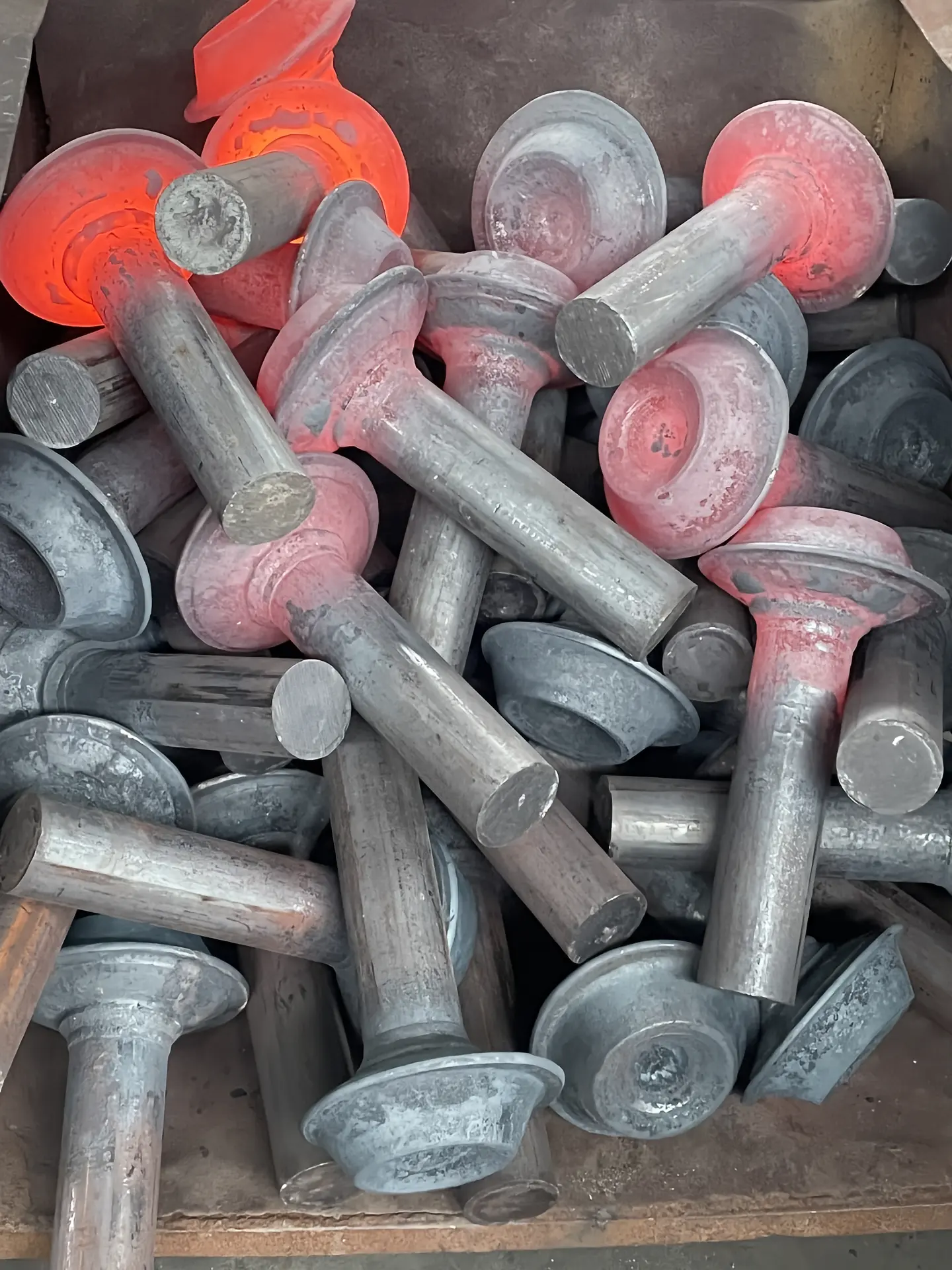
Forged bolts are fasteners made by shaping solid metal while it is hot. This process is called forging. The basic idea is simple:
-
Workers heat a piece of metal, like a steel bar, until it is very hot (red hot).
-
Then, workers hit or press the hot metal into the rough shape of a bolt head. This is the forging step.
-
After forging, the rough part is finished by machining .
Forging changes the inside structure of the metal. This makes the bolt much stronger. Forged bolts are especially good for large sized bolts. Large bolts need great strength to hold huge loads.
2. Why Forged Bolts Are Stronger
Forged bolts are always stronger than bolts made by cutting (machining) or casting (pouring liquid metal into a mold). This strength comes from the grain flow of the metal.
Grain Flow: Metal is made of tiny crystal structures called grains. When metal is rolled into a bar, these grains line up in the direction of the bar. This is called grain flow.
Forging Changes the Flow: When the metal is pressed and shaped during forging, the grain flow is forced to follow the contours of the bolt’s head and body. The flow becomes continuous.
Machined Bolts: When you cut a bolt head from a metal bar, the grain flow is cut and broken at the corners. This creates weak spots.
Forged Bolts: The continuous, unbroken grain flow acts like a natural internal fiber. This fiber is strongest at the stress points, like where the head meets the shank. This continuous fiber resists fatigue and impact much better.
Simply put: Forging aligns the metal’s internal strength with the bolt’s shape. This gives the bolt better tensile strength, fatigue resistance, and impact resistance.
3. Forged Bolt Manufacturing Process (Step-by-Step)
Making a forged bolt is a multi-step process. It starts with raw material and ends with a finished, high-strength fastener.
Step 1: Raw Material Preparation (Material Selection) Workers choose a strong metal bar or wire. This material must meet certain standards (like ASTM or DIN). The raw material is cut into pieces. Each piece is the right length for one finished bolt.
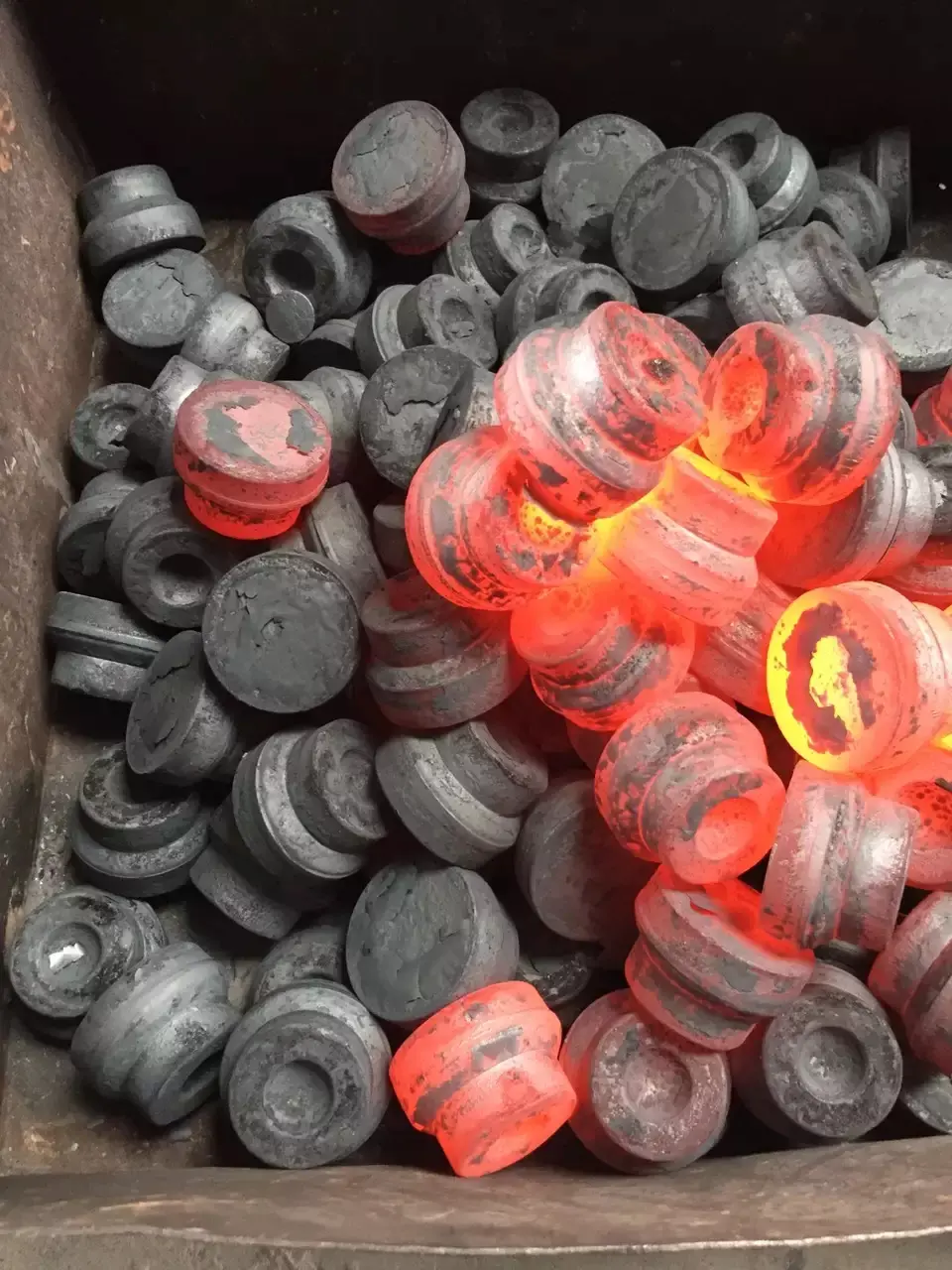
Step 2: Heating (The Fire)The cut pieces of metal are placed in a furnace. They are heated to a very high temperature. This temperature is usually between and .The metal must be hot enough to become plastic (soft and easy to shape) but not so hot that it melts. This is called the hot forging temperature.
Step 3: Forging (Shaping the Head)The hot metal piece is moved to a forging machine. The machine uses immense pressure or impact force (like a huge hammer or press) to shape the metal. The metal is pressed into the die to form the bolt head. This includes the hexagonal shape or the square shape. This forging step ensures the continuous grain flow in the bolt head. This step is also often called heading. It creates the bolt blank .
Step 4: Heat Treatment (Adding Strength) After forging, the bolt blank is cooled. But it needs more strength. The blank goes through a heat treatment process. This process includes quenching and tempering . This step makes the steel much harder and stronger. It gives the bolt its final, high mechanical properties.
Step 5: Secondary Machining The bolt blank now has the right shape and strength. But it is still rough. Workers use precise machining to clean up the surface, ensuring the bolt head dimensions are exact. This step removes extra metal that spilled out during forging.
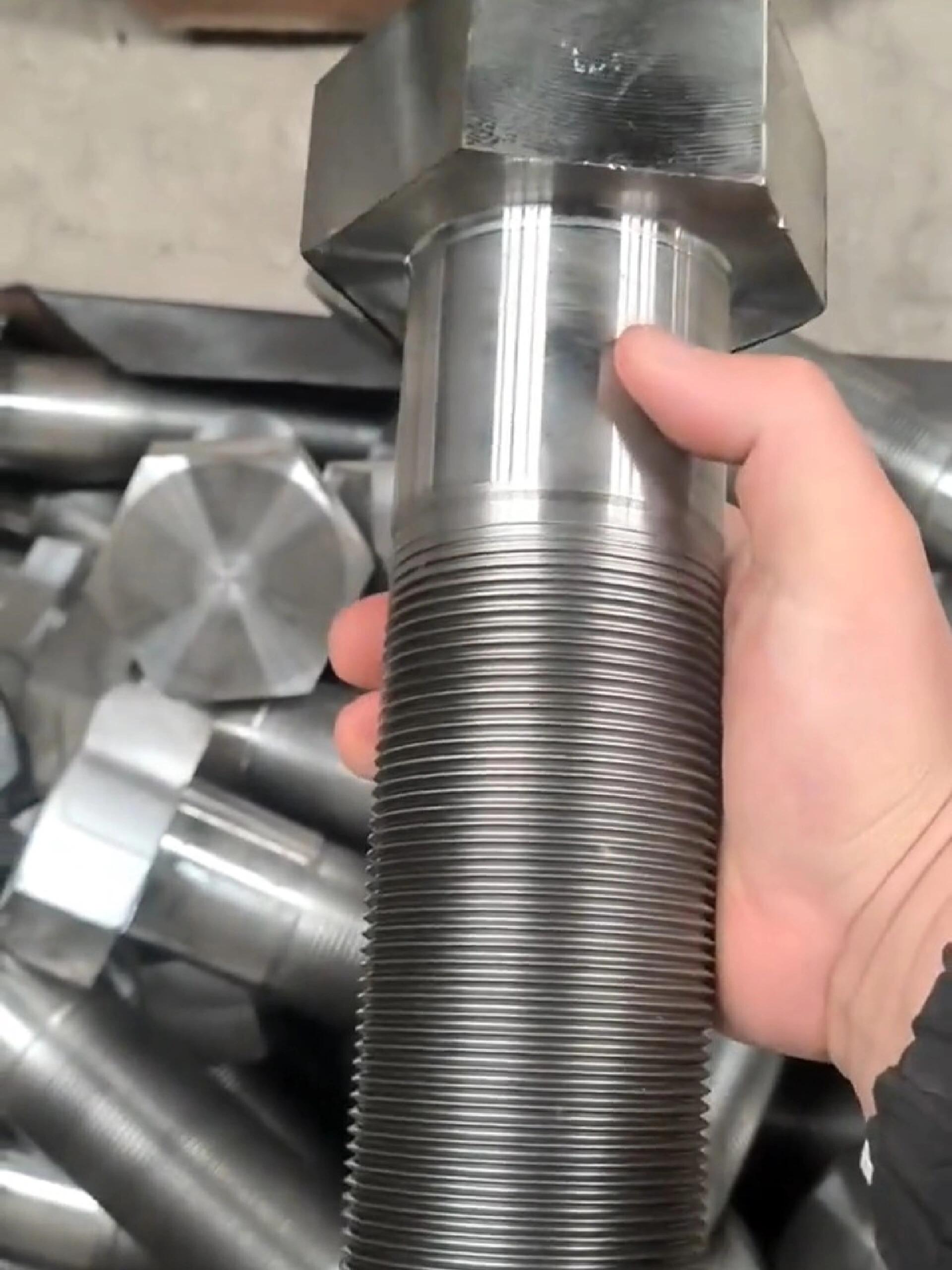
Step 6: Threading The shank (body) of the bolt must have threads. The threads are usually made by a process called thread rolling. Thread rolling is preferred over thread cutting. It uses hard dies to roll the threads into the metal. This rolling process does not cut the grain flow. Instead, it forces the grain flow to follow the threads, making the threads themselves stronger and more resistant to fatigue.
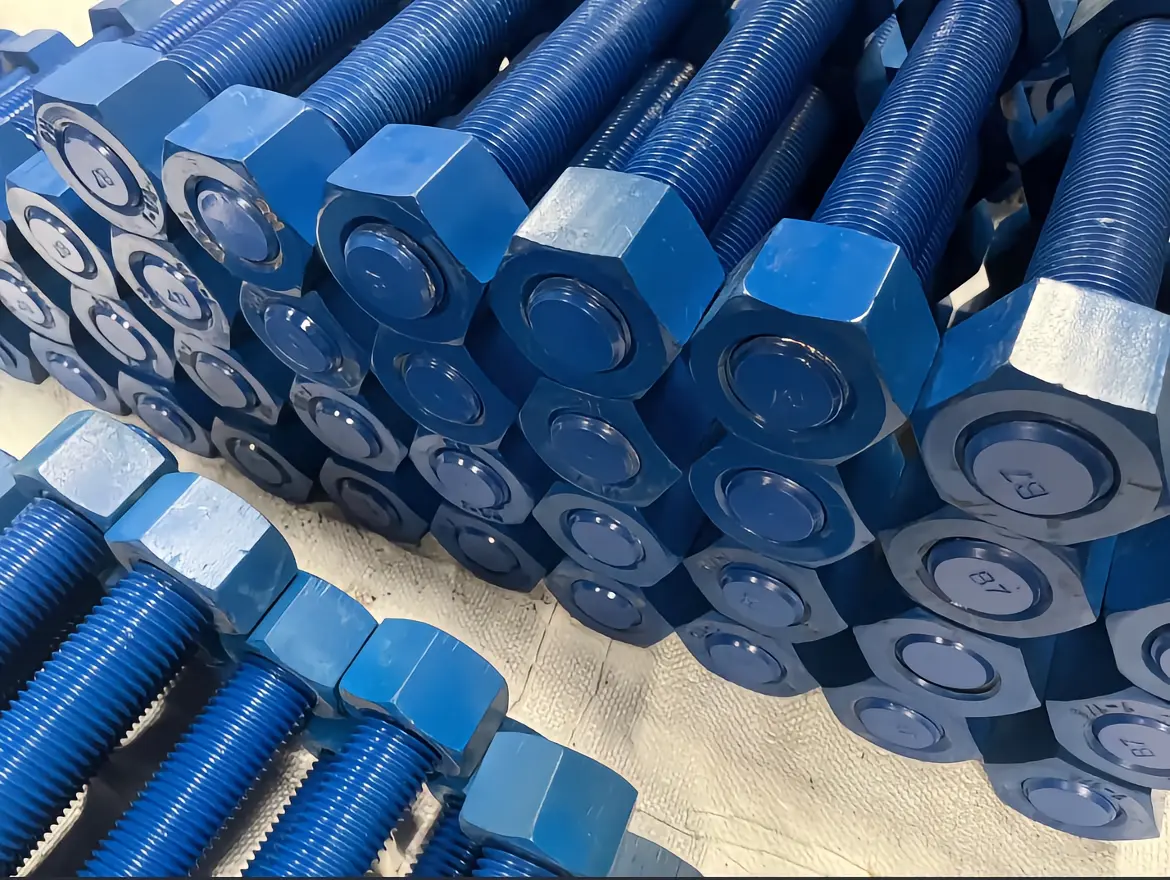
Step 7: Finishing. Finally, the bolt may get a surface coating. This coating protects the bolt from rust and corrosion. Common finishes include zinc plating, hot-dip galvanizing, or PTFE (Teflon) coating. After coating, the bolts are inspected and packed.
4. Common Materials for Forged Bolts
Forged bolts can be made from many different metals. The material chosen depends on where the bolt will be used.
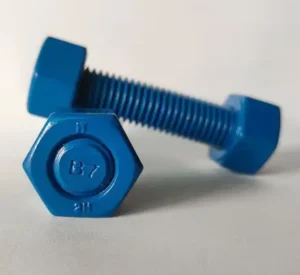
Carbon Steel and Alloy Steel: This is the most common group. For Examples: SAE Grade 5, Grade 8, ASTM A193 B7. These are used where high strength is needed, like in pipelines and construction.
Stainless Steel: Used where the bolt needs great resistance to rust and chemicals. For Examples:304, 316. They are common in food processing and marine environments.
High Nickel Alloys / Superalloys: Used in extreme environments (very high heat or extreme corrosion). For Examples:Inconel 718, Monel, Hastelloy. These are used in jet engines and chemical reactors.
Forging works well with all these materials. It brings out the best strength potential in each one.
5. Mechanical Strength of Forged Bolts
Forged bolts are graded based on their guaranteed strength. They have specific values for how much stress they can handle.
Tensile Strength: This is the maximum pulling force the bolt can take before it breaks. Forged bolts, especially those made from heat-treated alloy steel (like ASTM A193 B7), often have high tensile strength (e.g., 125,000 psi or more).
Yield Strength: This is the point where the bolt begins to permanently stretch or deform. A high yield strength means the bolt can take massive loads without being damaged.
Fatigue Resistance: This is the bolt’s ability to survive repeated loading and unloading cycles (like in a vibrating machine). Because of the continuous grain flow, forged bolts are much better at fighting fatigue than machined bolts.
6. Applications of Forged Bolts (Industry-Focused)
Forged bolts are chosen for applications where failure is costly or dangerous. They are the fasteners for heavy-duty, high-stress jobs.
Oil and Gas / Petrochemical: Used in high-pressure piping, valves, and flanges. These parts need bolts that can handle huge pressure and highly corrosive chemicals.
Aerospace and Defense: Used in aircraft structures, landing gear, and engine mounts. Here, strength-to-weight ratio and reliability are most important.
Construction and Heavy Equipment:Used in steel structures, bridges, and large cranes. The bolts must handle heavy static loads and constant movement.
Power Generation:Used in steam turbines, reactors, and high-temperature boilers. The bolts must maintain strength in very hot environments.
7. Customized Large-Sized Bolts
When a standard bolt is not enough, companies need custom made bolts . Forging is the main way to make these special bolts.
Need for Customization: Large industrial projects often have unique needs. They might need a bolt that is extra-long, has a special head shape, or is made from a rare alloy.
Forging is Flexible: Forging allows manufacturers to make a rough blank in almost any size or shape. It is easier and cheaper to forge a large, special bolt head than to try and cut it out of a massive metal block.
Guaranteed Strength: Forging ensures that even these large, custom bolts have the required high strength. The larger the bolt, the more critical the unbroken grain flow becomes for safety. Forging guarantees this critical strength for the biggest fasteners. Forging is the best method to combine large size, custom design, and guaranteed mechanical performance.
Conclusion
Forged bolts are truly the gold standard in heavy duty fastening. They are not simply cut; they are shaped with heat and force. This process creates an unbroken, continuous grain flow inside the metal. This internal structure is the secret to their superior tensile strength and fatigue resistance.
From huge pipelines to powerful jet engines, forged bolts provide the necessary strength and reliability. When a bolt’s failure could mean disaster, the forging process ensures maximum performance. For high stress, custom sized, or high temperature jobs, the forged bolt is the essential fastener.