Stone cladding has become a signature element in modern architecture which combining natural aesthetics with long term durability. Whether used on high rise façades, commercial buildings, or interior feature walls, the success of any stone cladding system depends heavily on one thing: the fixing hardware. And among all fixing options, stainless steel stone cladding clamps remain the most trusted solution for safe, long lasting installations. This blow willl guide walks architects through the essentials,how clamps work, the materials used, typical configurations, and what to consider when specifying them for a project.
What Are Stone Cladding Clamps?
Stone cladding clamps are mechanical fixings designed to secure stone panels to a structural backing, such as concrete, steel, or aluminum subframes. Instead of relying on adhesives alone, clamps physically hold the stone in place, ensuring load transfer, safety, and long term stability.
These clamps are typically concealed or semi-concealed, allowing the stone surface to remain visually clean while maintaining strong structural performance.
How Stainless Steel Stone Cladding Clamps Work?
Stone claddings are mounted onto walls primarily using stainless steel dry fixing systems. Because stone panels are heavy and rigid, the installation process must be carried out with great care and precision to ensure long term safety and stability.
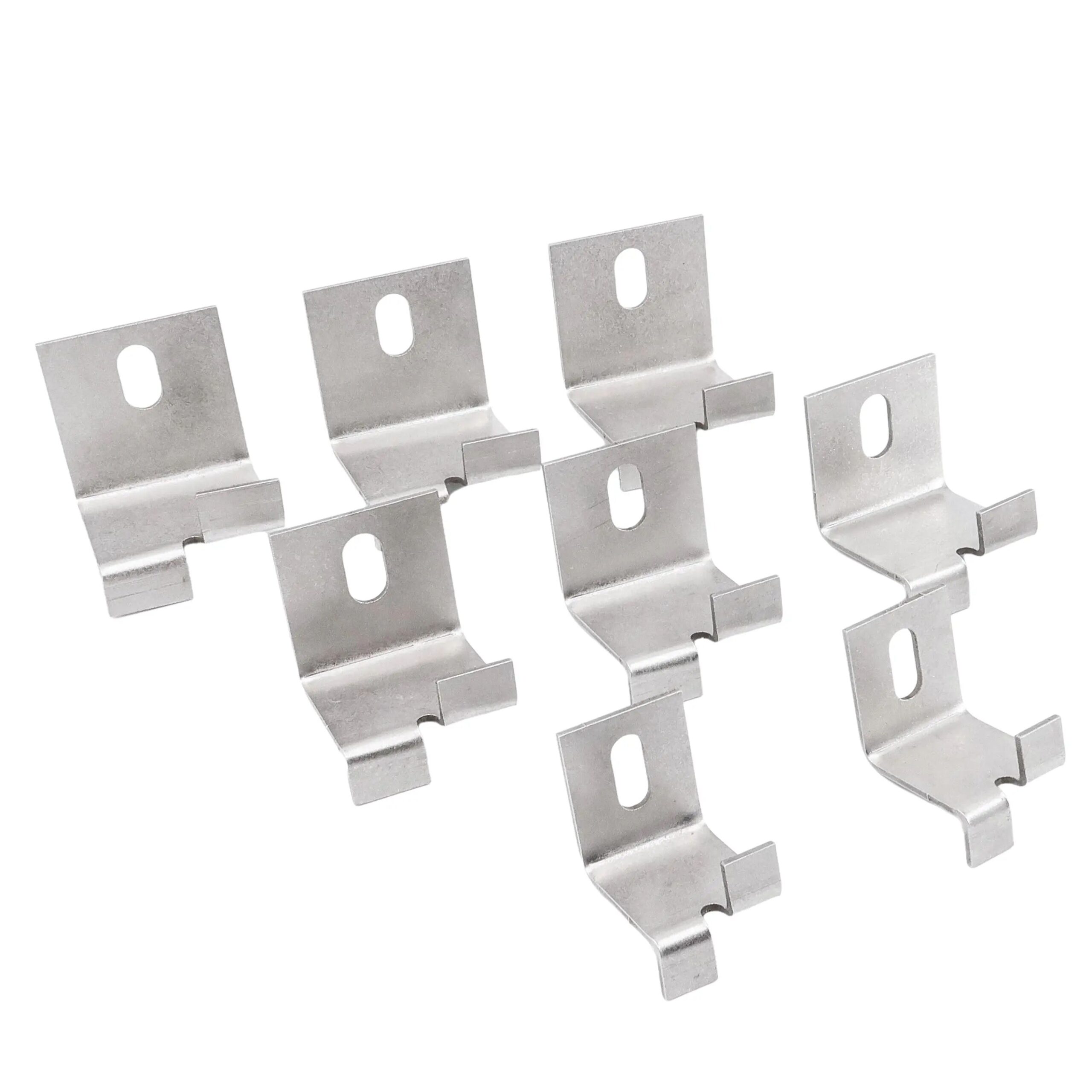
Using a stainless steel double hook stone cladding clamp as an example, the installation process typically follows these steps:
1.Install the embedded plates
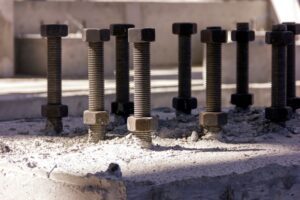
First, install the embedded plates using internal expansion anchor bolts (sleeve anchors) securely fixed into the concrete or structural wall.
2.Weld the angle steel and install the subframe if required
Angle steel brackets are welded onto the anchors. If the project requires additional structural support or leveling, a steel keel (subframe) system is installed at this stage.
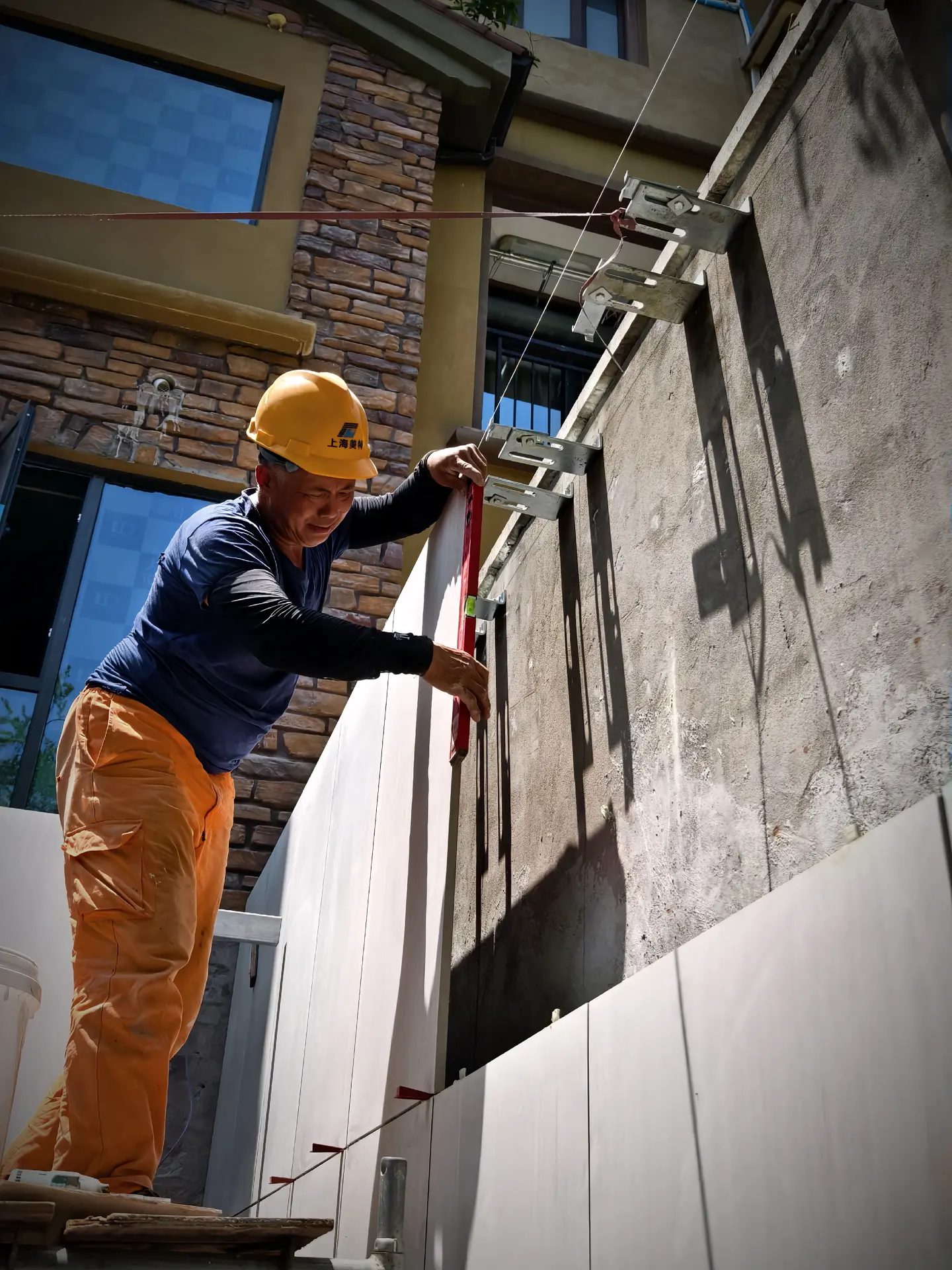
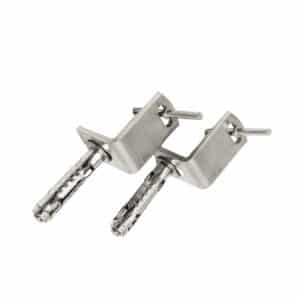
3.Install the stainless steel double hook cladding clamps
Stainless steel double hook clamps are selected due to their higher load bearing capacity, excellent corrosion resistance, and enhanced safety. Install the clamps at the planned positions and tighten the lower clamp screws securely.
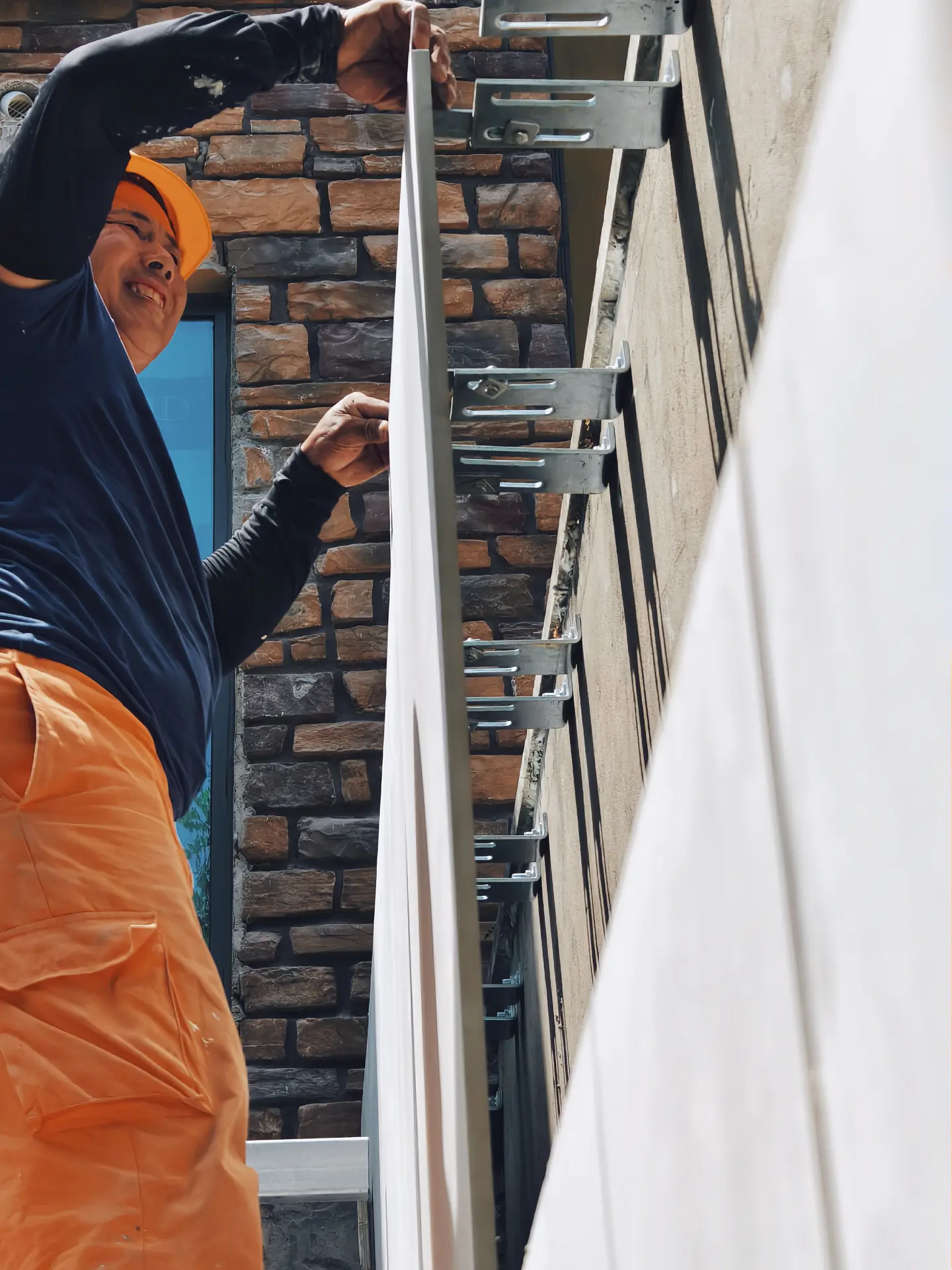
4.Cut grooves in the stone slab
Grooves are cut into both the upper and lower edges of the stone slab to accommodate the hooks of the clamps.
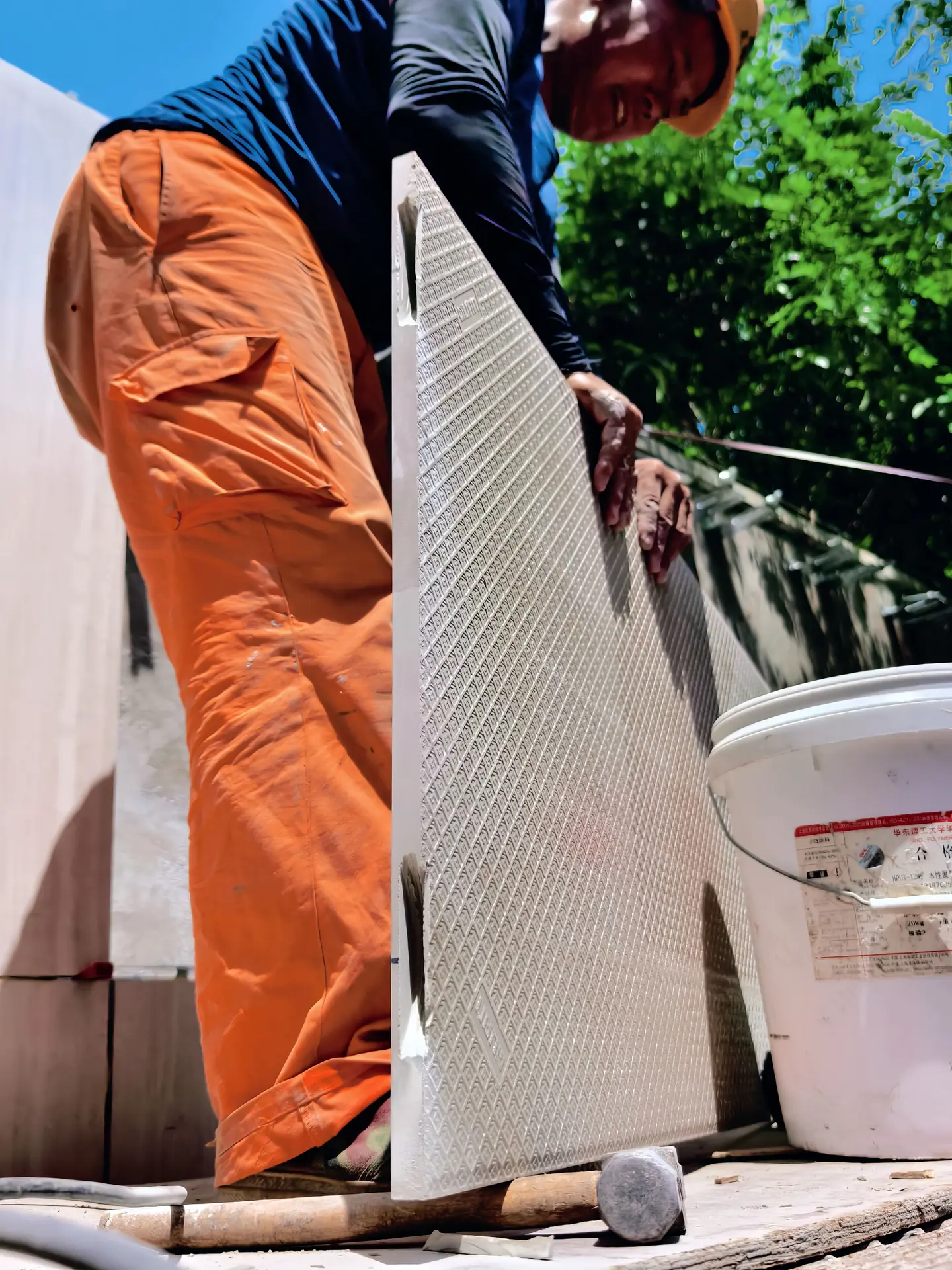
5.Apply stone adhesive
Apply marble adhesive evenly into the grooves to improve bonding and vibration resistance.
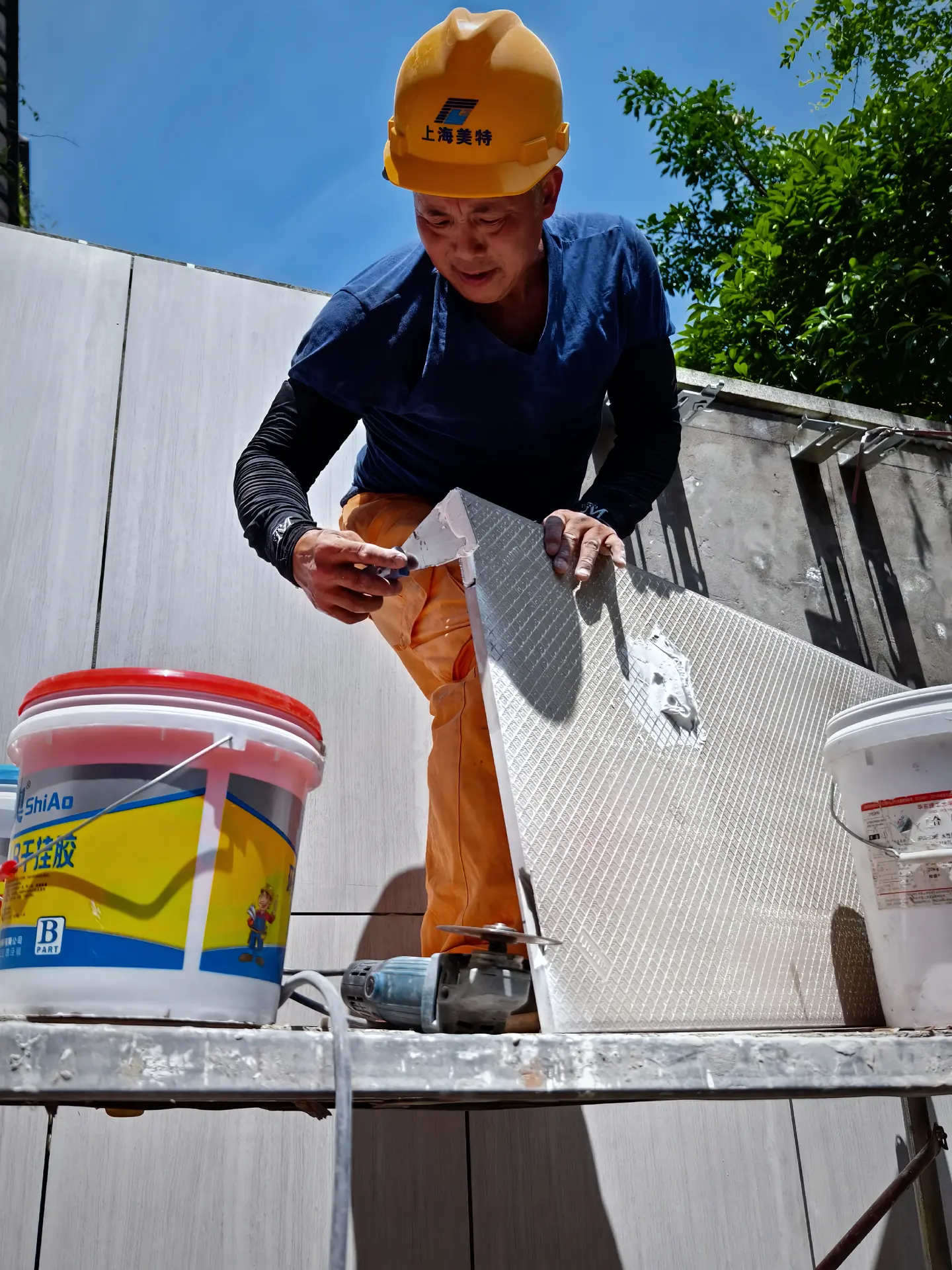
6.Inspect the stone slab
Check that the grooves on both the top and bottom edges are properly cut and that the adhesive has been correctly applied.
7.Install the stone slab onto the lower clamps
Insert the double hooks of the lower clamps into the bottom grooves of the stone slab to support the weight of the panel.
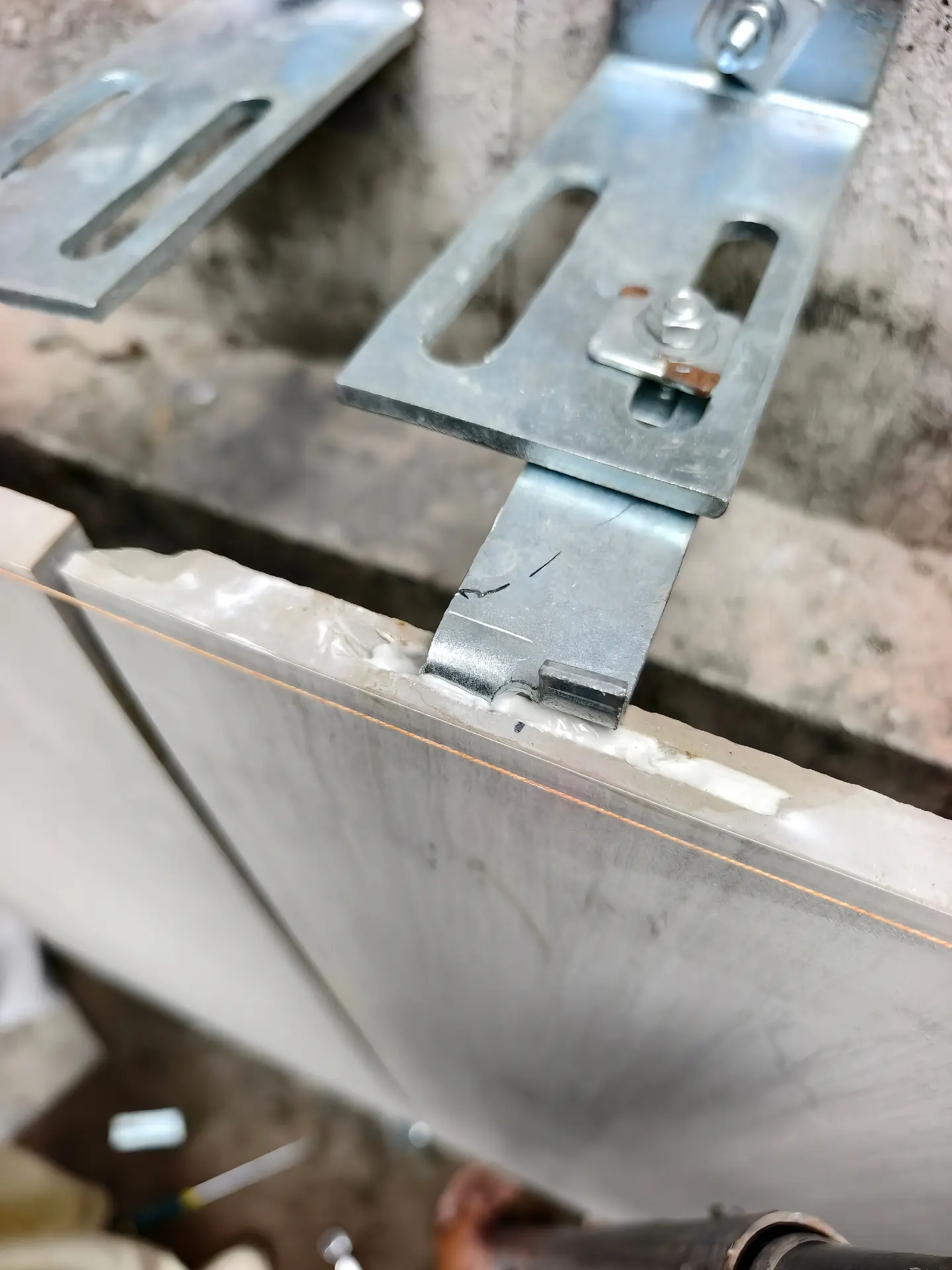
8.Secure the upper clamps
Adjust the position of the upper clamps, insert them into the top grooves of the stone slab, and tighten the screws to lock the panel in place.
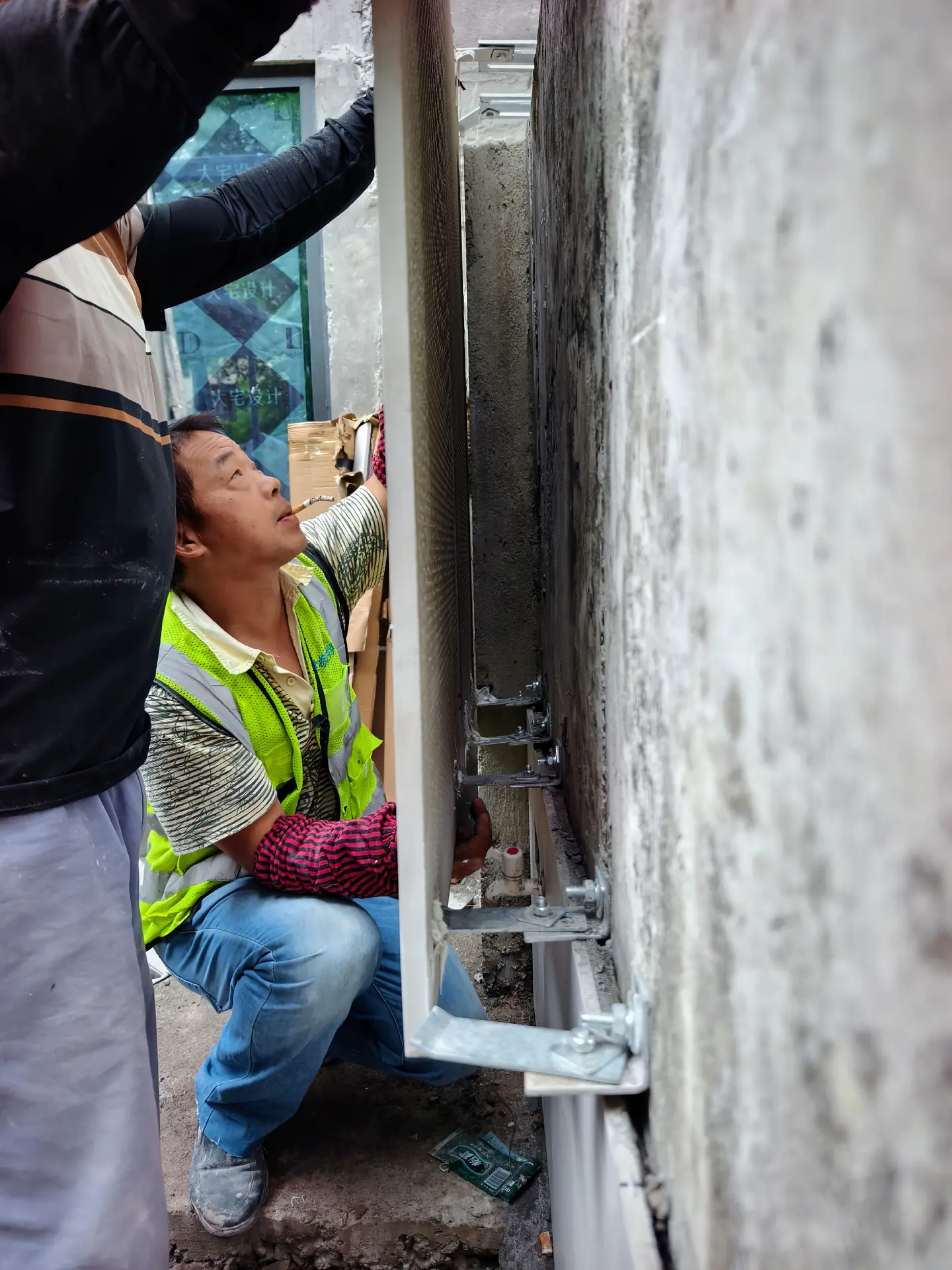
Once these steps are completed, the stone cladding is securely installed, providing a strong, durable, and visually clean stone façade.
Why stainless steel is the primariy material for stone cladding fixings
Stainless steel is the material of choice for stone cladding fixings due to its exceptional properties, which ensure the safety, longevity, and structural integrity of the facade system.
1. Superior Corrosion Resistance
Corrosion resistance is the most important requirement for stone fixing hardware, as these components are permanently exposed to environmental conditions and are often in direct contact with stone and masonry.
Self-Healing Passive Layer Stainless steel contains a minimum of approximately 10.5% chromium. When exposed to oxygen, chromium forms a thin, stable chromium oxide layer known as the passive layer. This layer automatically regenerates if damaged, protecting the metal beneath from further oxidation and rust.
Long Term Performance in Harsh Environments This corrosion resistance is essential for exterior applications, particularly in demanding environments such as:
Coastal and marine areas, where high chloride (salt) levels significantly accelerate corrosion. In these conditions, higher-grade stainless steel such as Type 316 (A4) which contains molybdenum is typically specified to resist pitting corrosion.
Industrial and urban environments, where moisture, airborne pollutants, and chemical exposure can degrade less resistant metals over time.
Reduced Risk of Galvanic Corrosion,When dissimilar metals come into contact in the presence of moisture, galvanic (bimetallic) corrosion can occur, causing the less noble metal to corrode rapidly. Using stainless steel for stone fixings significantly reduces this risk. Proper isolation from mild steel structures using neoprene or high-density polyethylene (HDPE) shims further enhances system durability.
The most common austenitic grades used for stone cladding fixings are:
Type 304 (or A2): The general purpose choice, suitable for most rural, urban, and non-aggressive industrial environments.
Type 316 (or A4): Recommended for harsh environments, such as coastal areas or highly polluted industrial sites, due to its increased resistance to pitting and crevice corrosion provided by the addition of molybdenum.
Key Design Considerations for Architects
When detailing a stone facade system, the fixings are the critical link between the cladding and the structure. Architects must thoroughly evaluate the following factors to ensure the safety, longevity, and performance of the assembly.
Stone Type and Thickness
Different stone materials vary in density, compressive strength, and brittleness. These characteristics directly influence clamp geometry, embedment depth, and load capacity. Thinner or more brittle stones may require additional support or specialized fixing solutions.
Panel Size and Weight
Larger stone panels generate higher dead loads and greater wind forces. As panel size increases, higher load-bearing clamps and, in some cases, supplementary safety fixings or restraints become necessary to meet structural requirements.
Environmental Conditions
Exposure to moisture, airborne pollutants, salt spray, or extreme temperature variations significantly affects material selection. Harsh environments typically require higher-grade stainless steel, such as Type 316, to ensure long term corrosion resistance and performance.
Structural Substrate
The type of backing structure whether concrete, steel, or aluminum determines the anchoring method and fixing design. Each substrate requires compatible anchors to achieve reliable load transfer and secure attachment.
Thermal Movement
Natural stone and structural materials expand and contract with temperature changes. Adequate joint spacing, allowance for movement, and flexible fixing design are essential to prevent stress concentration, cracking, or long term damage.
Stone cladding combines visual impact with structural responsibility, and its long-term performance depends largely on the fixing system behind it. Stainless steel stone cladding clamps offer the strength, corrosion resistance, and reliability required for safe and durable installations.
By considering stone properties, panel size, environmental conditions, structural support, and thermal movement, architects can confidently specify fixing solutions that ensure both façade safety and lasting architectural quality.