Threaded rods are essential fastening components in construction, industrial equipment, solar mounting systems, HVAC installations, and architectural applications. Among the most common material choices are aluminum threaded rods and stainless steel threaded rods. While both offer excellent performance, choosing the right one depends on your project’s load requirements, environment, and budget. This guide breaks down the key differences to help you make an informed decision.
1. Material
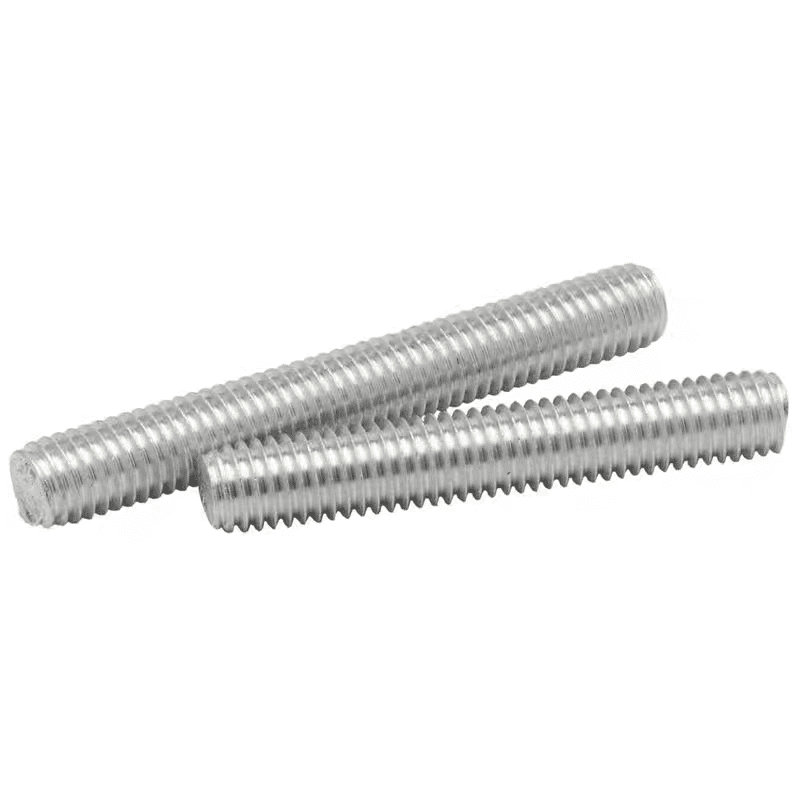
Aluminum threaded rods are valued for their lightweight nature and corrosion resistance. Common aluminum alloys such as 6061 and 6063 provide a good balance of strength, machinability, and durability.
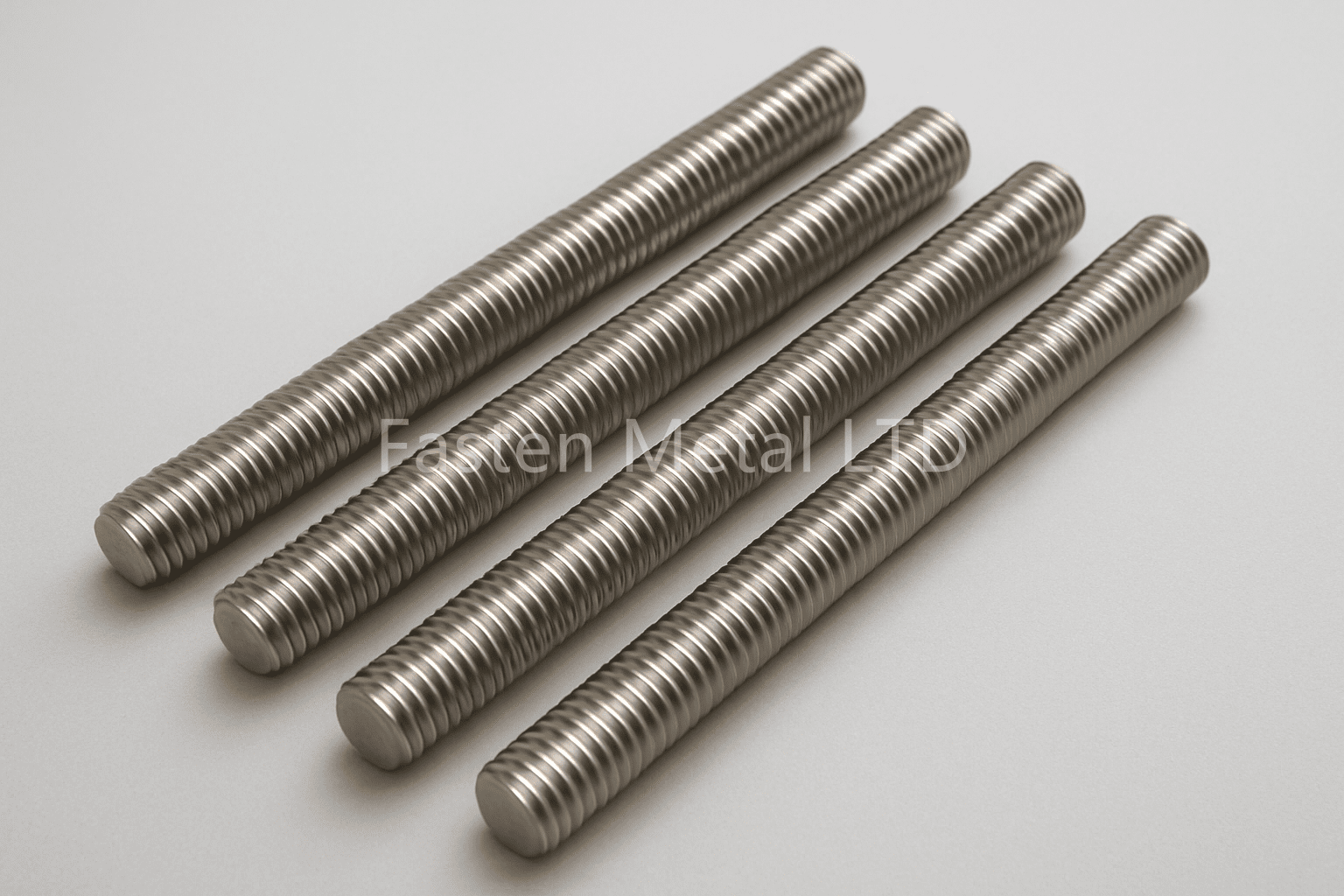
Stainless steel threaded rods, typically made from grades like 304 or 316, are known for their high strength, excellent corrosion resistance, and long service life in demanding environments.
2. Strength and Load Capacity
When it comes to tensile strength and load bearing capacity, stainless steel threaded rods are significantly stronger than aluminum. Stainless steel provides higher tensile and yield strength, making it the preferred choice for heavy structural loads and critical connections where maximum reliability is required. In contrast, aluminum threaded rods have lower strength but are more than adequate for medium duty, non structural, and lightweight assemblies. As a general guideline, stainless steel is best suited for heavy loads and structural applications, while aluminum is ideal for projects where moderate load capacity and reduced weight are priorities.
3. Weight
Weight is often a critical consideration in applications such as solar mounting systems, transportation equipment, and overhead installations. Aluminum threaded rods weigh approximately one third as much as steel, which helps significantly reduce overall system weight and makes handling and installation easier. In contrast, stainless steel threaded rods add more mass, potentially increasing installation effort and transportation costs. As a result, aluminum is the preferred choice for weight-sensitive projects, while stainless steel is better suited for applications where weight is not a primary concern.
4. Corrosion Resistance
Both aluminum and stainless steel threaded rods offer corrosion resistance, but their performance varies depending on the operating environment. Aluminum naturally forms a protective oxide layer, which helps resist corrosion and makes it well suited for general outdoor and mildly corrosive conditions. Stainless steel threaded rods, particularly grade 316 provide superior resistance in harsh environments, including coastal, marine, chemical, and high humidity applications. In practice, aluminum is an excellent choice for standard outdoor use, while stainless steel is the better option for aggressive or highly corrosive environments.
5.Temperature Performance
When it comes to temperature performance, stainless steel threaded rods maintain their mechanical properties across a wide temperature range, making them suitable for high heat and fire resistant applications. Aluminum threaded rods perform well in low and normal temperature conditions but tend to lose strength more rapidly when exposed to elevated temperatures. As a result, stainless steel is the preferred choice for high temperature environments, while aluminum is well suited for applications operating under standard temperature conditions.
6. Machinability and Installation
In terms of machinability and installation, aluminum threaded rods are easier to cut, drill, and machine, which can significantly reduce labor time and simplify on site adjustments. This makes aluminum an excellent option for projects that require quick installation or customization. Stainless steel threaded rods, while harder and more durable, demand greater effort and often specialized tools during machining, making them better suited for permanent, high-strength installations where long term performance is the primary concern.
7. Cost Comparison
Cost is often a key deciding factor in large scale projects. Aluminum threaded rods are generally more cost effective, particularly for long lengths or bulk orders, making them an attractive option for budget sensitive applications. Stainless steel threaded rods, while higher in material and processing cost, provide superior strength and a longer service life in demanding environments. As a result, aluminum is ideal when cost efficiency is a priority, whereas stainless steel is the better choice for projects that require long term durability and high performance.
8. Typical Applications
Aluminum Threaded Rod Applications
-
Solar panel mounting systems
-
HVAC and electrical supports
-
Architectural and decorative installations
-
Lightweight industrial equipment
Stainless Steel Threaded Rod Applications
-
Structural construction
-
Marine and offshore projects
-
Chemical and food processing facilities
-
Heavy machinery and infrastructure