Choosing the right stud bolts for flange connections is one of the most important decisions in any piping project. The wrong bolt grade can lead to joint leakage, bolt failure, shutdowns, or even safety hazards. Among the most widely used bolt materials in industrial flange systems are ASTM A193 Grades B7, B8, and B16. Although they are standardized, each grade is designed for different temperatures, pressures, and corrosive environments.This guide explains the mechanical differences, real world applications, and how to correctly select between B7, B8, and B16 stud bolts for your flange system.
1. What Are B7, B8, and B16 Stud Bolts?
The primary difference between these three grades stud bolts lies in their chemical composition and heat treatment, which dictate their mechanical properties, particularly their performance at varying temperatures.
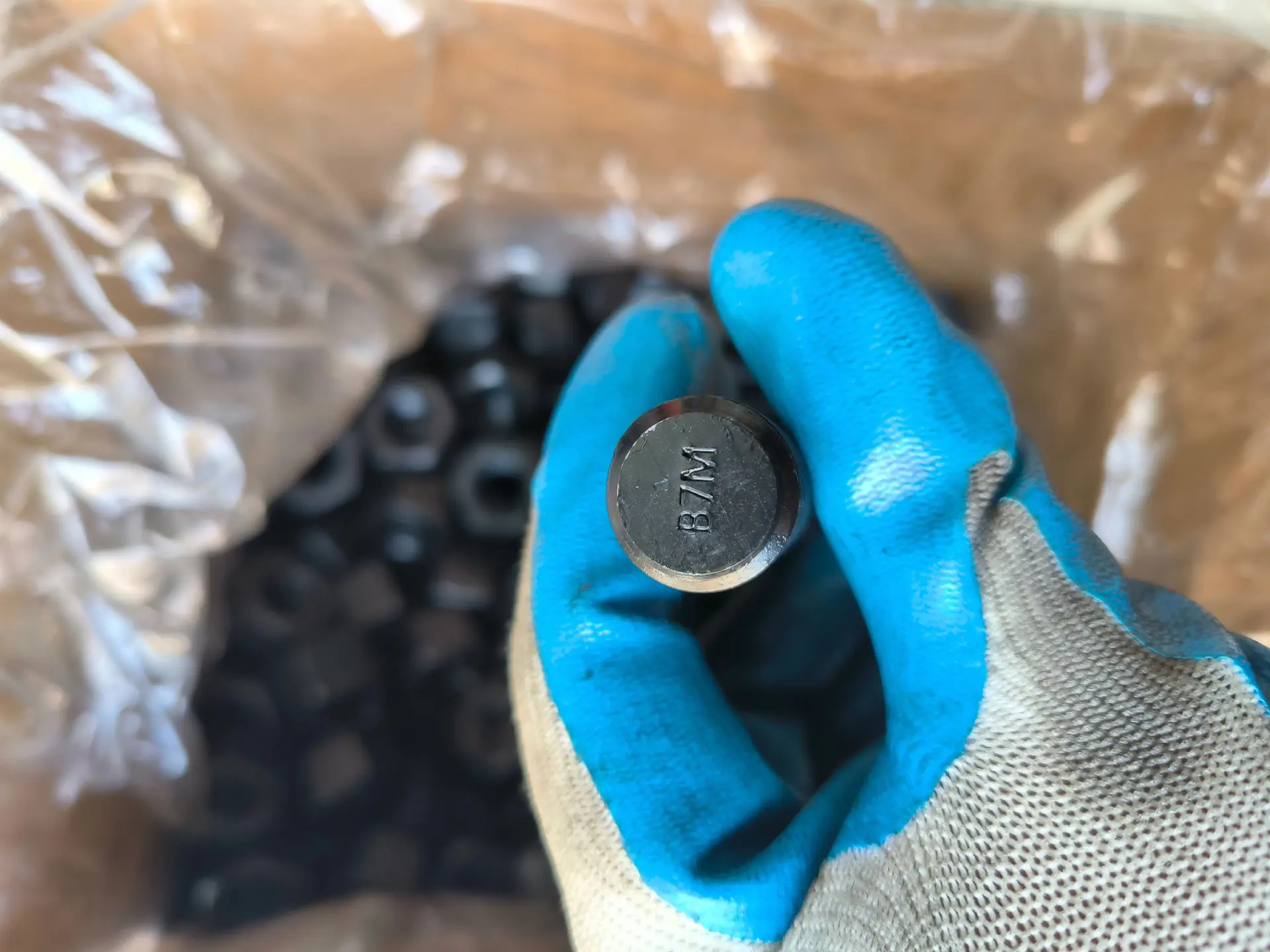
ASTM A193 Grade B7 Stud Bolts
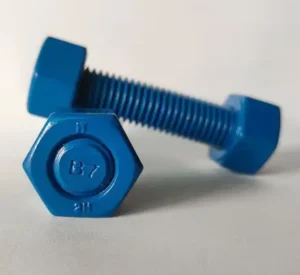
Grade B7 stud bolts are made from chromium molybdenum steel, typically the 4140 or 4142 alloy, and are heat treated to achieve high tensile strength. Because of this combination of mechanical strength and temperature tolerance, B7 has become the standard choice for most industrial flange connections. You’ll find it in refineries, power plants, and high pressure steam systems, where flanges need to maintain tight sealing under demanding loads. Although B7 performs well in high pressure and moderately high temperature environments, it does not offer natural corrosion resistance, so it often requires finishes such as zinc plating, black oxide, or PTFE when used in humid, outdoor, or mildly corrosive conditions.
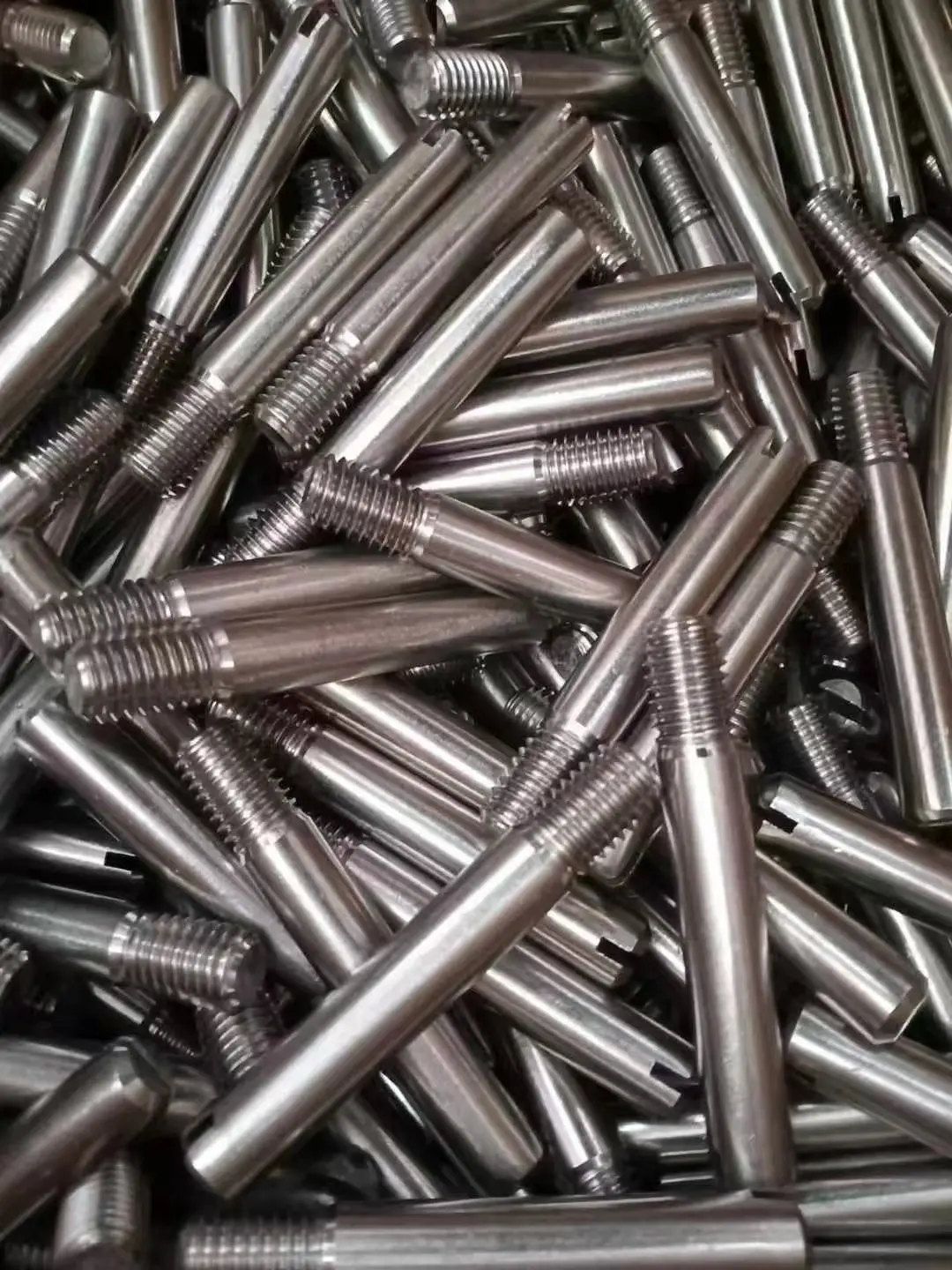
ASTM A193 Grade B8 Stud Bolts
Grade B8 stud bolts are usually produced from stainless steel 304 or 316 which gives them excellent corrosion resistance without the need for additional finishing. Their mechanical strength is lower than that of B7, but they excel in environments where corrosion is the primary concern rather than extreme mechanical loading. B8 is widely used in chemical processing plants, marine environments, coastal installations, food and pharmaceutical industries, and any application where cleanliness, oxidation resistance, and long term durability against corrosive media are essential. Its stainless composition makes it ideal for pipelines exposed to saltwater, acids, or high humidity, and it retains good performance across a broad temperature range, from cryogenic conditions to elevated heat.
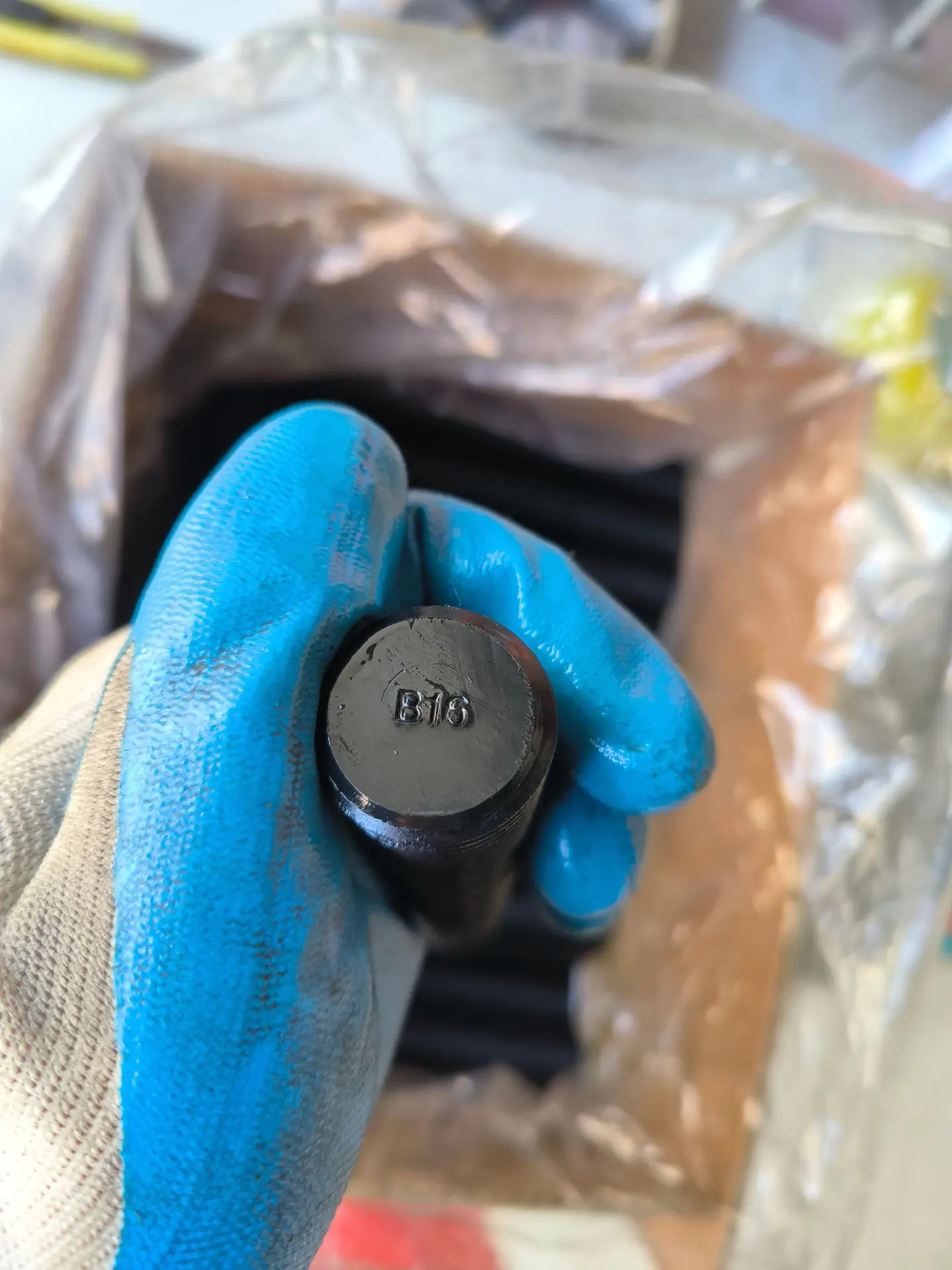
ASTM A193 Grade B16
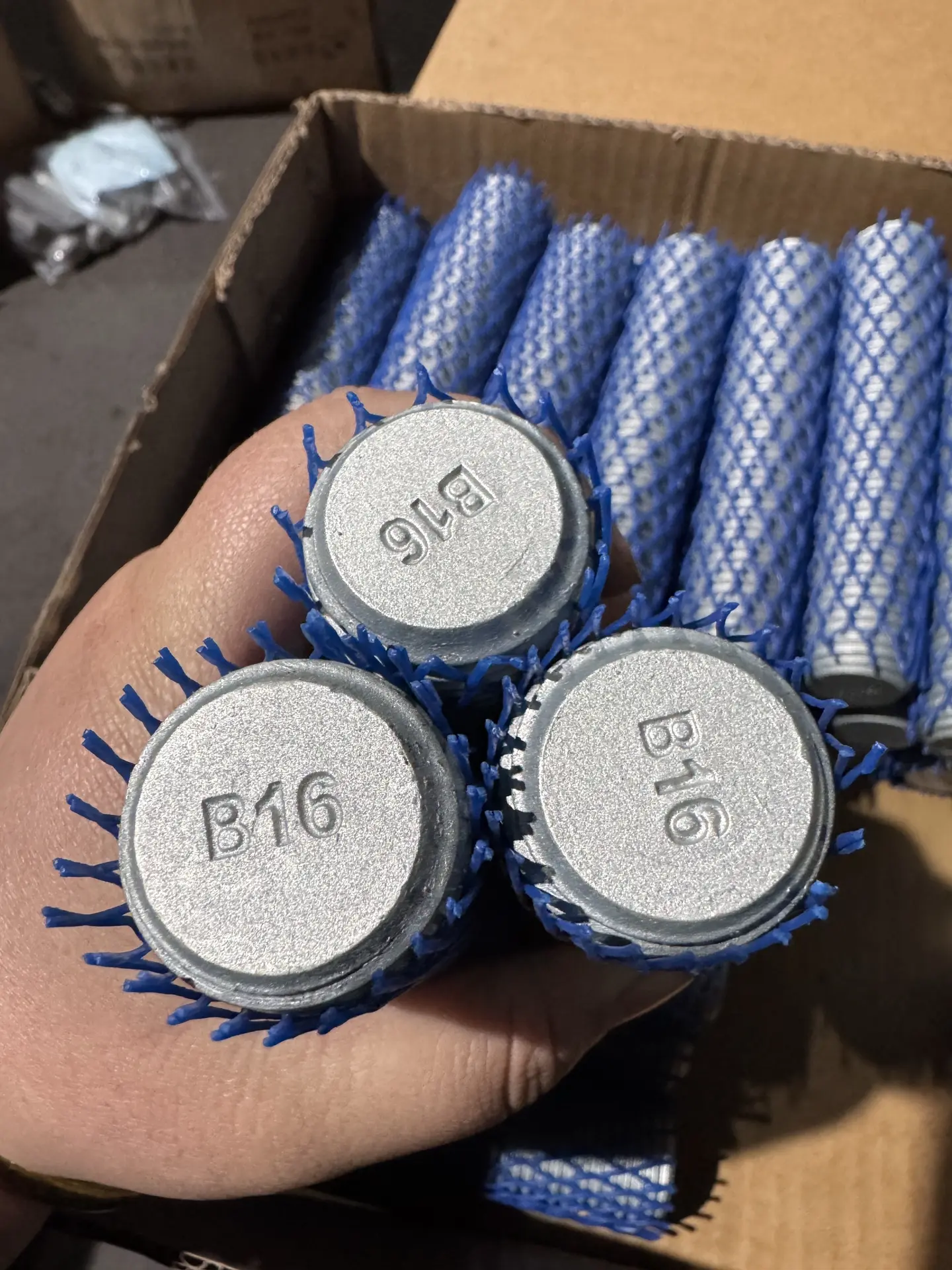
Grade B16 stud bolts are produced for applications where both high strength and exceptional temperature stability are required. This grade is made from an alloy containing chromium, molybdenum, and vanadium (commonly referred to as 1Cr-1Mo-1/4V steel), a combination that allows the material to maintain its mechanical properties even when exposed to extreme heat. B16 is often selected for superheated steam lines, refinery heaters, reformer units, and other equipment operating at temperatures that push beyond the limits of B7. While B7 may begin to lose strength or creep over time in very high temperature service, B16 provides better resistance to long term thermal degradation, making it a reliable option for critical high temperature flange assemblies.
| Stud Bolt Grade | Material Type | Max Recommended Temperature (Approx.) | Primary Applications |
| B7 | Chromium-Molybdenum Steel (Alloy Steel) |
1000∘F (538∘C) |
High pressure, high temperature service; general oil/gas and chemical use. |
| B8 | 304/316 Stainless Steel (Austenitic) |
1200∘F (649∘C) (Lower working stress above 800∘F) |
Corrosion resistance, cryogenic service, lower pressure/temperature applications. |
| B16 | Chromium-Molybdenum-Vanadium Steel (Alloy Steel) | () | High temperature, high pressure service with a focus on creep resistance. |
Mechanical Properties Comparison (Strength, Temperature, Corrosion)
Tensile Strength
When comparing the mechanical properties of B7, B8, and B16 stud bolts, tensile strength is usually the first factor engineers look at. At room temperature, both B7 and B16 fall in a similar high strength range, typically around 860–895 MPa. This makes them the preferred choices for strength critical flange joints where bolt load and gasket compression are essential for maintaining a tight seal. B8 has a noticeably lower tensile strength around 515 MPa in its most common Class 1 condition. While it doesn’t match the strength of B7 or B16, its purpose is different: corrosion resistance rather than maximum mechanical performance. In short, B7 and B16 clearly outperform B8 if strength is the priority,they are the reliable options for highpressure or high load applications.
Temperature Resistance
When operating temperatures exceed 400 °C, B16 is generally the preferred choice because it retains its mechanical strength far better than B7 under prolonged high temperature exposure. B7 begins to lose tensile strength more rapidly at elevated temperatures, while B16’s alloy composition provides significantly improved thermal stability, making it more reliable for high temperature flange connections.
| Grade | Typical Temp Range | Applications |
|---|---|---|
| B7 | Up to ~450–500°C | Most refinery & power piping |
| B8 | Cryogenic to ~550°C | Stainless steel piping, corrosion environments |
| B16 | Up to ~540–560°C with better stability | Reheaters, reformers, high-temp steam |
Corrosion
For applications where corrosive attack is a concern, the Austenitic Stainless Steel structure of the B8 material makes it the clear winner, offering significantly better resistance than the B7 or B16 alloy steels.
| Grade | Corrosion Resistance | Suitable Environments |
|---|---|---|
| B7 | Low | Needs coatings (zinc, PTFE, HDG) |
| B8 | Excellent (stainless) | Marine, chemical, outdoor |
| B16 | Moderate | Better for high-temp, not for seawater |
How to choose B7 vs B8 vs B16 Stud Bolts for Your Flanges
Different industries operate under very different temperature, pressure, and environmental conditions, so each bolt grade naturally fits into its own set of applications.
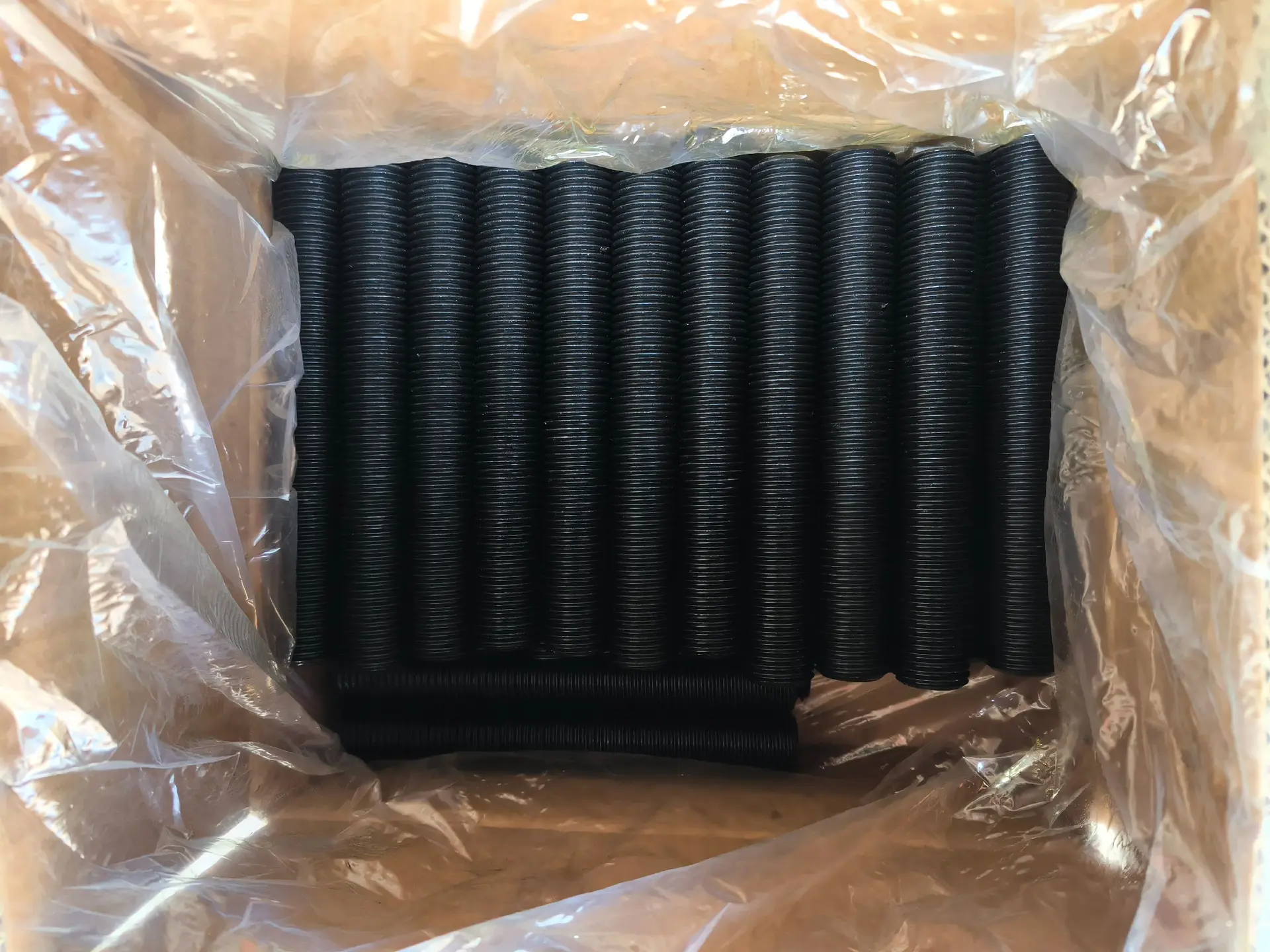
When to Use B7 Stud Bolts
B7 stud bolts are widely used across refineries, power plants, and general industrial piping because they offer a strong balance of strength, cost efficiency, and availability. In refinery pipelines operating below roughly 425–450°C, B7 provides more than enough mechanical strength while remaining stable under moderate to high temperatures. They are also a standard option for high pressure steam lines, boiler feedwater systems, and oil and gas gathering pipelines, where strong, reliable bolting is essential for maintaining gasket compression. Power plants rely heavily on B7 bolts for various piping systems, and you’ll find them installed throughout ASME Class 150 to 1500 flanges in typical industrial service. The reason B7 is so commonly chosen is simple: it is strong, economical, easy to source, and meets ASME requirements for most general applications.
When to Use B8 Stud Bolts
B8 stud bolts which made from stainless steel are used whenever corrosion is the primary concern. Facilities located near the ocean such as coastal refineries or offshore platforms often require stainless steel bolts because standard alloy steel corrodes too quickly. The same applies to marine systems, chemical processing plants, and industries handling corrosive fluids or aggressive cleaning chemicals. Stainless steel is also favored in food and beverage production, pharmaceutical environments, and cryogenic systems like LNG pipelines or liquid nitrogen equipment, because it provides both corrosion resistance and a clean, sanitary appearance. When the environment is corrosive or cleanliness is critical, B8 is almost always the safest and most durable choice.
When to Use B16 Stud Bolts
B16 stud bolts are designed for extreme heat, making them the preferred choice in high temperature operations where B7 may begin to lose strength over time. Industries that rely on superheated steam systems, refinery heaters, reformer units, reactors, and hydrogen production plants often specify B16 for its ability to maintain mechanical properties at elevated temperatures. These bolts are also frequently used in ASME Class 900 to 2500 systems, especially when temperatures push the upper limits of standard materials. In these applications, long term creep resistance is just as important as tensile strength, and B16 delivers superior performance in both areas.
Flange Pressure Rating Guide (Class 150–2500)
Pressure class plays an important role in bolt selection. For Class 150 to 300 flanges, both B7 and B8 are appropriate depending on whether corrosion resistance is needed. As pressure increases into the Class 600–900 range, B7 is the typical choice for general service, while B16 is preferred when high temperatures are involved. For the highest pressure ratings Class 1500 to 2500,B16 is strongly recommended because of its ability to maintain strength and seal integrity in demanding, high temperature environments.
A simple way to remember the selection is: Choose B8 for corrosive environment,choose B7 for high pressure environment,choose B16 for high temperature environment.
Conclusion
Selecting the right stud bolt grade depends on the actual conditions of your flange system. B7 is the reliable choice for most high pressure industrial applications, B8 is the best solution whenever corrosion is the main concern, and B16 is designed for high-temperature service where B7 cannot maintain strength over time. Matching the bolt material to temperature, pressure, and environment is the key to ensuring long term sealing performance and safety.
Fastenmetal LTD supplies all three grades B7, B8, and B16 with strict quality control and full certification. If you’re unsure which grade fits your operating conditions, our team can help you choose the safest and most cost-effective option for your flange system.