J bolts are important fasteners in many construction and industrial jobs. They look simple, but they play a big role in keeping structures steady and safe. Many people use them for foundations, metal frames, and equipment mounting. This guide explains what Square J bolts are,it is one kind of J bolts, how they work, what materials they come in, and how to choose the right ones for your project.
What Are Square J Bolts? Difference Between Regular J Bolts
1. What are Square J Bolts?
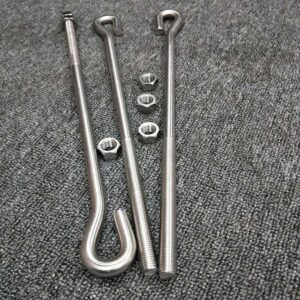
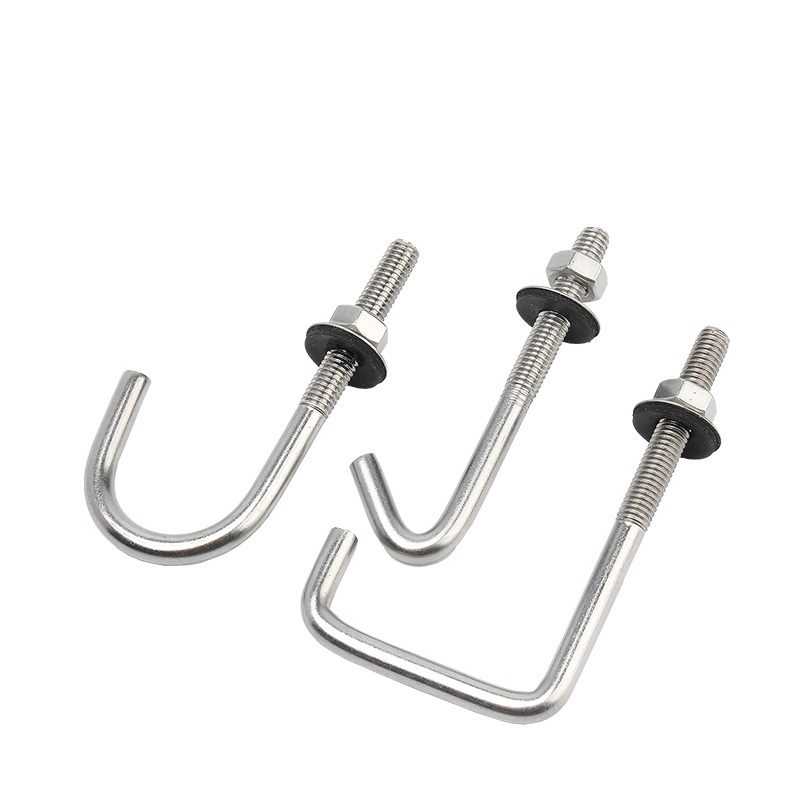
A Square J bolt is a type of mechanical anchor characterized by its distinctive shape. It features a long, threaded straight section and a 90-degree square bend at the non-threaded end. This specific geometry is designed to be embedded in wet concrete.
2.Differentiating from Regular J Bolts
The key distinction lies in the anchor end’s geometry. A standard J bolt has a smooth, curved radius at the end, much like the letter ‘J’. The square J bolt, conversely, has a sharp, angled bend, creating a stronger mechanical interlock with the cured concrete. This sharp corner is often preferred when maximum pullout resistance is required.
How Square J Bolts Work?
Square J bolts work in a very simple way. The square hook sits inside wet concrete. When the concrete cures, it locks around the shape of the hook. The square bend gives the concrete more surface to grab onto, so the bolt holds tightly. The threaded end stays above the concrete surface. Nuts and washers go on this part to secure beams, plates, frames, and many other parts.
The design helps the bolt handle tension, uplift, and side forces. The hook stops the bolt from pulling out, and the threads make it easy to connect and tighten materials. This is why J-style anchor bolts are common in concrete foundations and structural work.
Materials, Grades & Finishes
Square J bolts come in different materials because each project has different needs. Carbon steel is the most common material. It is strong and affordable. Stainless steel, such as SS304 or SS316, is used when people need better rust resistance. Some heavy duty projects use alloy steel for higher strength.
Bolt grades show how strong the bolt is. Grades like 4.8, 8.8, 10.9, and 12.9 are often used. Higher numbers mean the bolt can handle more force.
Finishes also matter. Hot-dip galvanizing is good for outdoor jobs because it protects the bolt from rust. Zinc plating is used for light or indoor use. Black oxide gives a clean look for dry environments. The right finish helps the bolt last longer and stay safe.
Standard of Square J Bolts
Square J bolts are made in both metric and imperial thread sizes. Many fit standards such as ASTM A307, A36, A193, or similar anchor bolt requirements. These standards help people choose bolts that meet expected strength and quality levels.
Lengths and diameters vary based on the projects. Some projects need small bolts for light frames. Others need heavy bolts with long embedment depths for large buildings or equipment. Many suppliers also offer custom Square J bolts when a project needs a special shape, longer length, or a different coating.
Typical Applications and Use Cases
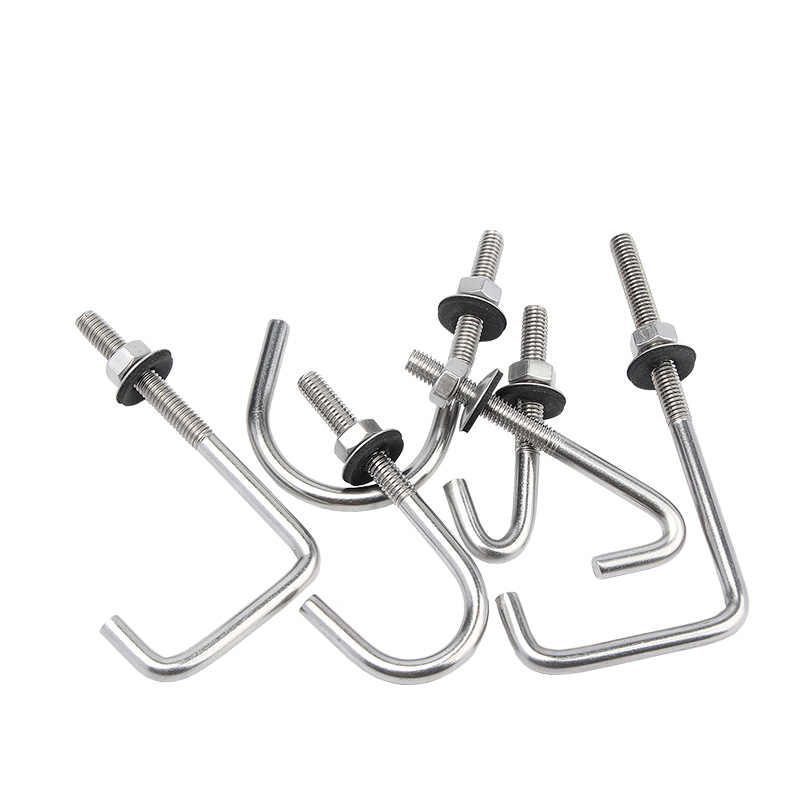
Square J bolts are used in many industries because the square bend holds well in concrete. They are indispensable for establishing robust connections between a structure and its concrete base. Common applications include:
Foundation Construction: Anchoring timber sill plates (the bottom members of wood framing) to residential and commercial concrete foundations.
Structural Steel Erection: Securing the base plates of steel columns to concrete footings in warehouses and industrial buildings.
Machinery Installation: Bolting heavy industrial equipment, motors, and pumps to concrete pads to absorb vibration and prevent movement.
Utility & Municipal Projects: Anchoring light poles, traffic signals, and highway guardrails.
Installation Guidelines, Best Practices & Common Pitfalls
Installing hook bolts the right way is important. The bolt must be placed at the correct depth, and the bend must be fully covered by concrete. The bolt should stay straight while the concrete sets. Good alignment helps the base plate fit later. Clean bolts help the concrete grip better.
Installation Best Practices
Template Use: Always utilize a rigid installation template (usually made of wood or steel) to hold the bolts precisely in their required pattern and vertical alignment during the pour.
Embedment Depth: Confirm the specified embedment depth. The bolt must penetrate the concrete far enough to engage sufficient material above the hook.
Concrete Vibration: Ensure the concrete is properly vibrated around the bolt shaft and the hooked end to eliminate air pockets (voids). Voids severely compromise anchor strength.
Common Pitfalls to Avoid
Movement After Initial Set: Do not adjust or move the bolts after the concrete has begun its initial setting process. This disrupts the bond and creates voids around the anchor.
Insufficient Edge Distance: Placing the bolt too close to the edge of the concrete slab or footing. This can cause the concrete to crack or “blow out” under load.
Incorrect Projection: Failing to verify that the final threaded portion projects far enough above the finished concrete surface to accommodate the structural component, washer, and nut.
How to Choose the Right Square J Bolt for Your Project
To choose the right Square J bolt, start by knowing the load your project will carry. A heavy load may need a larger diameter or a higher grade. Then choose the right material. Stainless steel or galvanized steel works better outdoors or in wet areas. Check the thread type and make sure it matches your nuts and washers. Also check the length, because the bolt must go deep enough into concrete while still leaving enough threads on top.
If your project has special requirements, you may need custom bolts. Many bolts suppliers can make Square J bolts with special bends, finishes, or non-standard lengths.
Conclusion
Square J bolts play a simple but important role in many construction and industrial projects. Their square bend gives them a strong hold in concrete, and their threaded end makes installation easy. When you understand how they work and how to choose the right ones, you can improve the safety and durability of your structure. With the right material, finish, and proper installation, Square J bolts offer reliable performance for many years.