Stud bolts are common fasteners in many heavy industries. They look simple, but they play an important role in systems that handle pressure, heat, and vibration. Many engineers and buyers choose stud bolts because they are reliable, strong, and easy to install. This guide gives a clear and simple explanation of what stud bolts are, how they are made, and how they are used. It also explains the main types, materials, strength grades, and finishes.
1. What Are Stud Bolts?
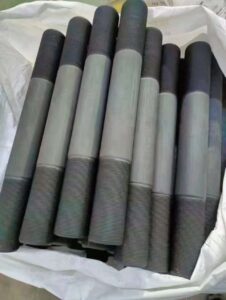
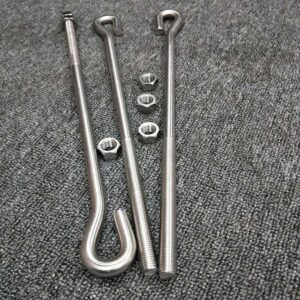
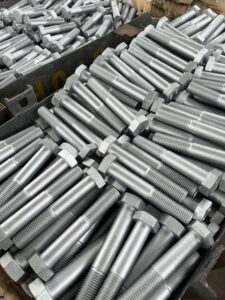
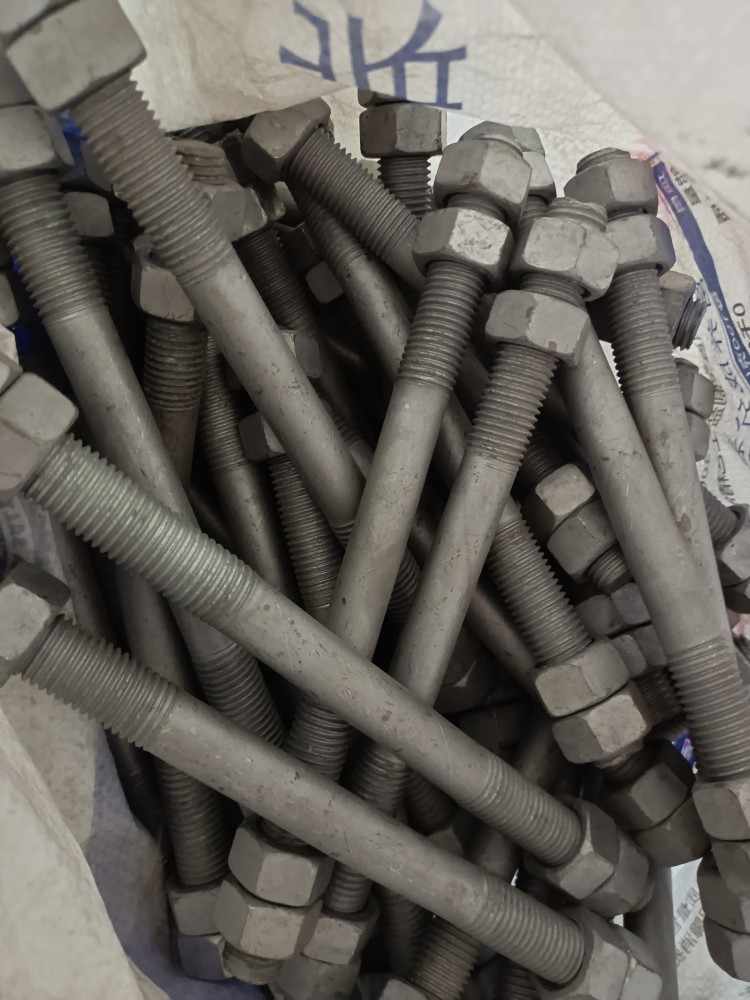
A stud bolt is a long, straight rod with threads on both ends. Most stud bolts are fully threaded from one end to the other also called threaded rods. They are usually used with two heavy hex nuts, one on each end. These nuts create a strong clamping force. This makes the joint secure.
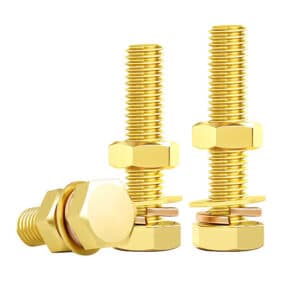
Stud bolts are different from regular bolts because they do not have a head. They also allow workers to remove only the nuts during maintenance, so the bolt stays in place. This makes repairs faster and safer. This is why stud bolts are common in oil and gas flanges, pipelines, pressure vessels, heat exchangers, and many machines.
Stud bolts can hold very high loads. They can also handle heat and pressure. This is why they are important in industries where safety is the top priority.
2.Stud Bolts Standard
Stud bolts follow strict standards. These standards help engineers choose the correct bolt for each job. They also make sure the bolts can perform well in harsh conditions. The most common standards for stud bolts include:
ASTM A193 for high temperature and high pressure service
ASTM A320 for low temperature service
ASME B16.5 for flange dimensions
API 6A for oil and gas equipment
ISO and DIN for metric stud bolts
These standards explain material requirements, mechanical strength, heat treatment, testing, and dimensions. When a project engineer chooses a specific grade, it means the stud bolt must follow all rules inside the standard. This helps avoid failure, leakage, and accidents. These standards guarantee that every stud bolt meets the minimum requirements for safety and performance.
3. Why Stud Bolts Are Used (Key Advantages)
Stud bolts offer many advantages, and these advantages make them popular in industrial systems.Because of these advantages, stud bolts are standard in many industrial projects.
First, they allow even load distribution. When a flange or pressure joint needs to hold pressure, the nuts tighten in a circular pattern. The load spreads evenly, so the joint stays sealed.
Second, stud bolts are easy to install and remove. Workers can take off the nuts during maintenance. They do not need to remove the entire bolt. This saves time and reduces downtime for factories.
Third, stud bolts can handle high temperatures and high pressures. Many materials, such as B7 or Inconel, are designed for these conditions. This makes stud bolts useful in boilers, steam systems, reactors, and refineries.
Fourth, stud bolts come in many lengths. When a flange is thick or when insulation is used, engineers can choose a longer stud bolt without changing the design.
Fifth, stud bolts are cost-effective. They are simple to produce in many sizes, so they fit a wide range of systems.
4. Types of Stud Bolts
Stud bolts come in several main types. Each type is used for a different purpose.
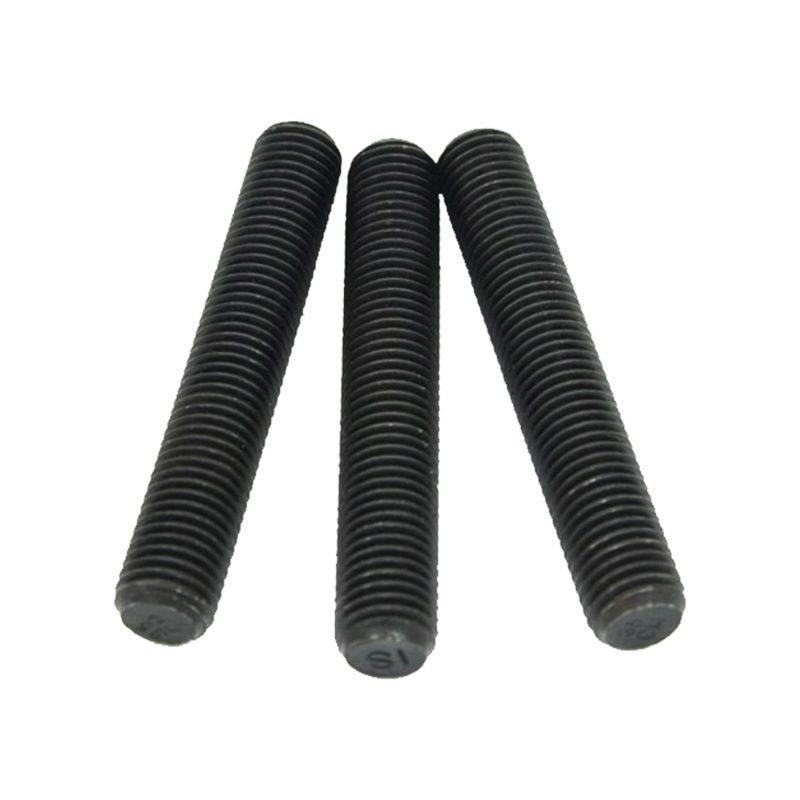
Fully Threaded Stud Bolts
These are the most common. They have threads along the entire length. They are used with two nuts for flange connections. Most oil and gas flanges use this type.
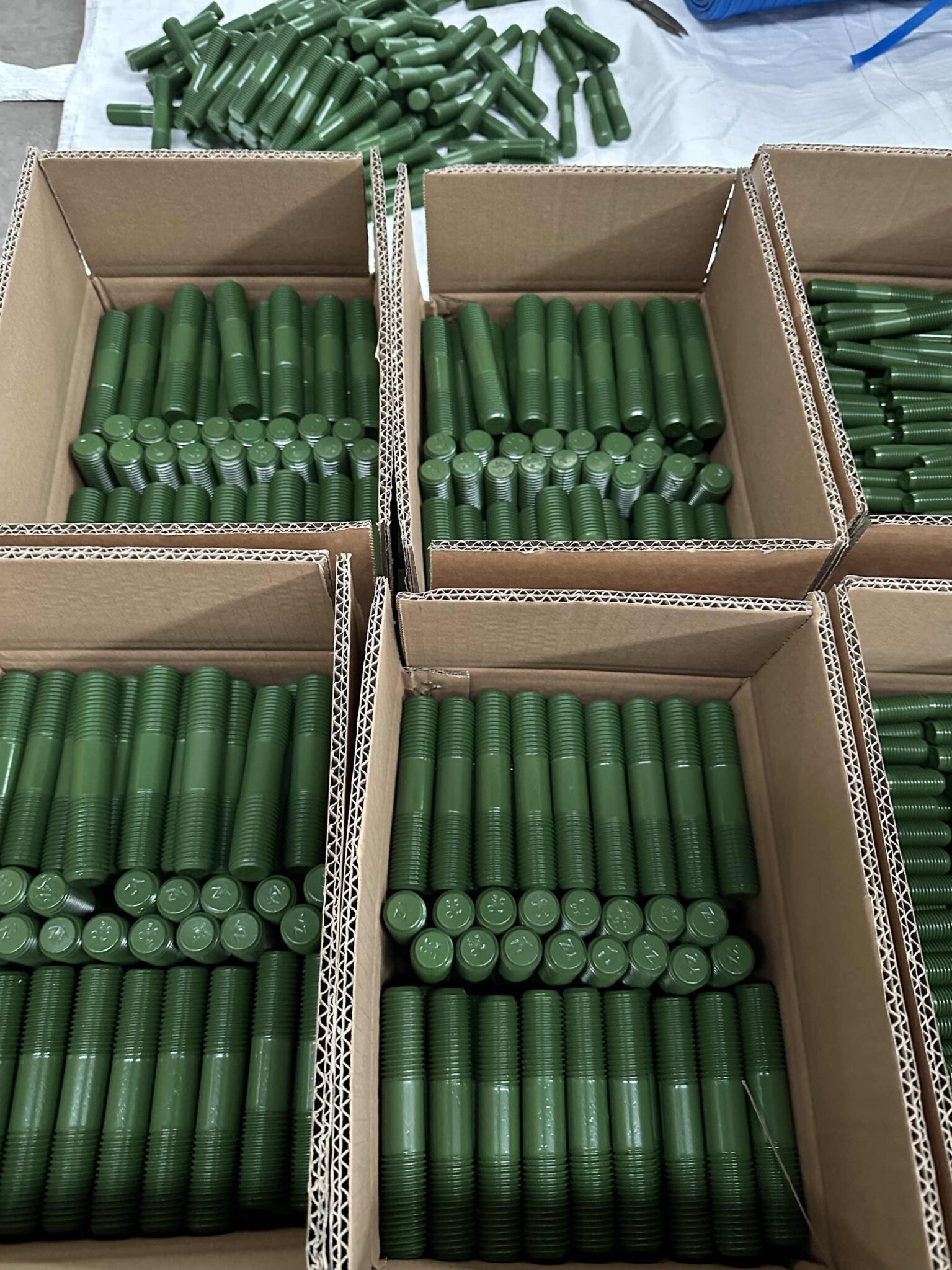
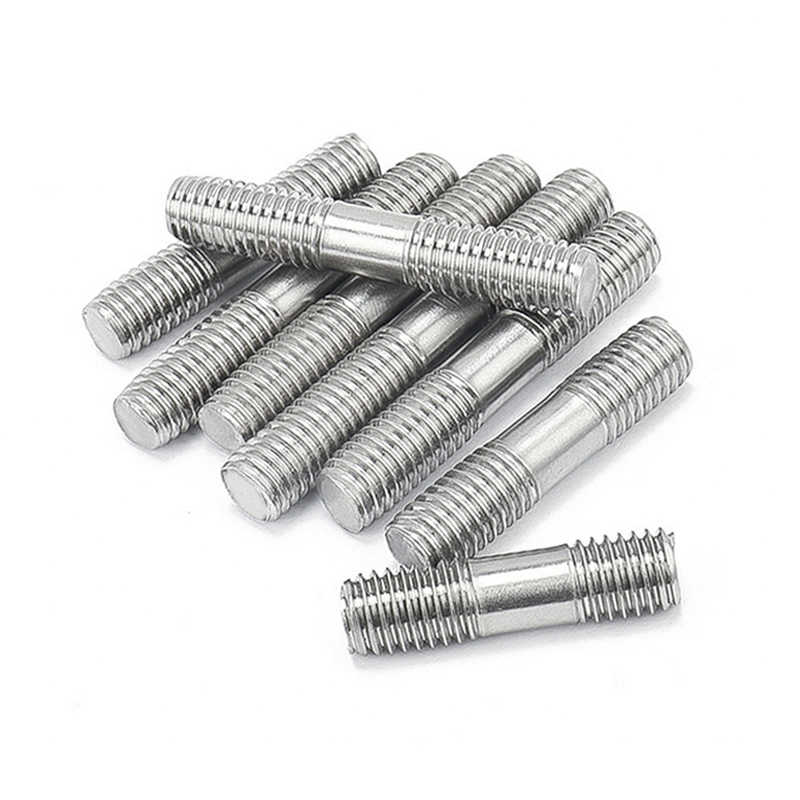
Double End Stud Bolts
These bolts have threads on both ends but have a plain middle section. One end usually sits inside a tapped hole in a machine. The other end holds a nut. These bolts are used in pumps, valves, and motors.
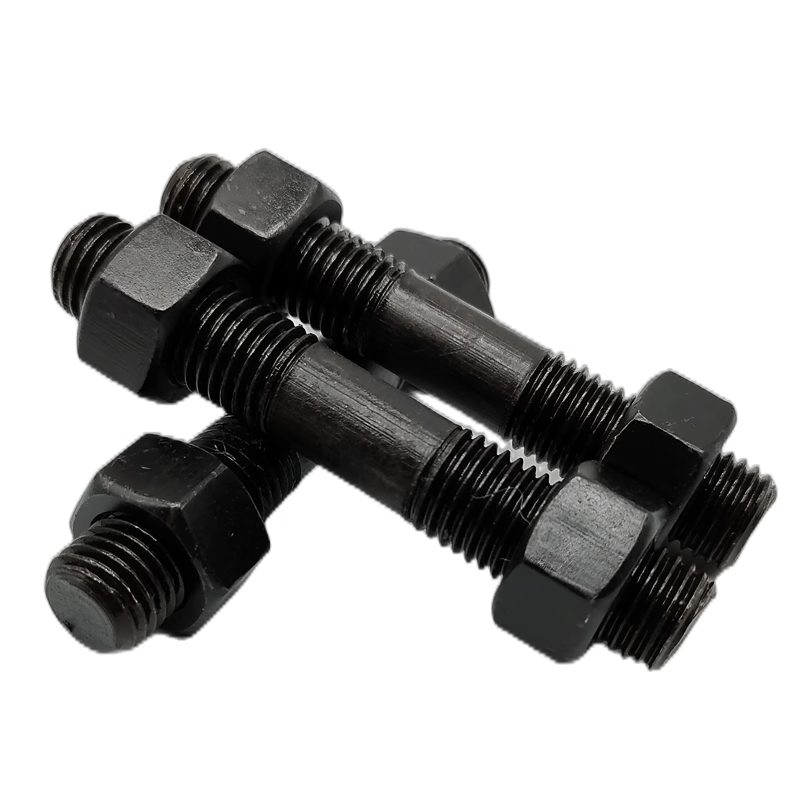
Tap End Stud Bolts
These bolts have one short threaded end and one long threaded end. The short end goes into a tapped hole. The long end holds a nut. They are used in high-pressure and high-temperature equipment.

Continuous Thread Studs
These are similar to fully threaded studs but are often used in general construction. They can serve many simple fastening purposes.
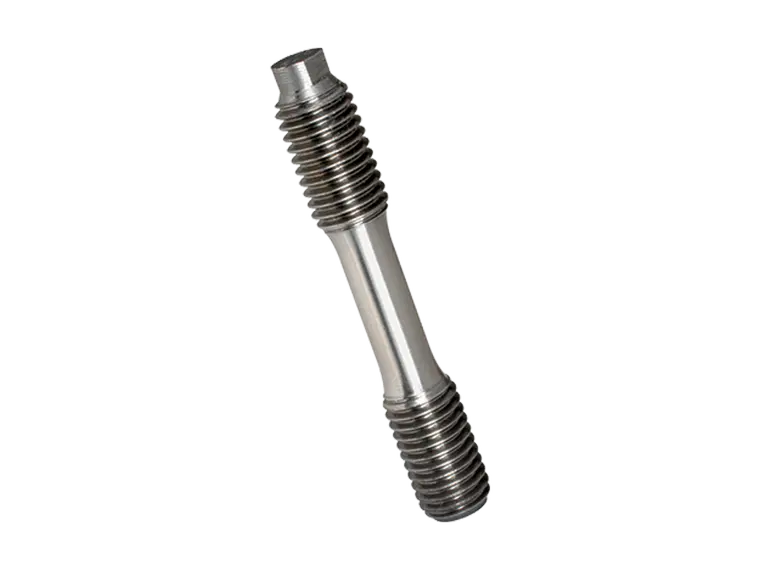
Reduced Shank Studs
These bolts have a thinner middle section. They are used when engineers want to control stress in the joint. Each type of stud bolt is chosen based on load, temperature, space, and design needs.
5. Materials Used for Stud Bolts
Stud bolts need the correct material because they face heat, pressure, corrosion, or chemicals. The most common materials include:
Carbon Steel
Carbon steel is strong and economical. ASTM A193 B7 Stud Bolts is the most common for high temperature service. ASTM A320 L7 is used for low-temperature service. B7M has lower hardness for H₂S environments.
Alloy Steel Alloy steels can handle high heat and stress.
A193 B16 is used in temperatures above 450°C.
Stainless Steel
Stainless steel is resistant to rust and corrosion. Grades include 304, 316, 321, and 347. These are used in chemical plants, food plants, and marine systems.
Nickel Alloys
These alloys handle extreme heat and corrosion.Common grades are: Inconel 718,Inconel 625,Monel 400,Hastelloy C276,Duplex and Super Duplex.These alloys are used in offshore, chemical processing, high temperature furnaces, and seawater environments.The correct material ensures safety and long service life.
6. Stud Bolt Finishes
Finishes protect the bolt surface from corrosion and make installation easier. Different finishes are used based on environment and cost.
Common stud bolt finishes include: Zinc plating for basic corrosion protection. Hot-dip galvanizing (HDG) for outdoor or marine use. PTFE coating (Teflon) bolts are used for chemical plants and offshore equipment. Dacromet Bolts or Geomet are used for strong corrosion resistance. Black oxide for a clean appearance and light protection.Phosphate coating for better lubrication during tightening. A good finish prevents rust, reduces friction, and improves the bolt’s lifespan.
7. Strength Grades for Stud Bolts
Stud bolt strength grades are important because they show how much load the stud bolt can handle. These grades are listed in standards like ASTM A193 and A320. Common Strength Grades include: A193 B7 Stud Bolts is for high strength for high temperature service. A193 B7M is used to controlled hardness for sour gas (H₂S) environments. A193 B16 is suitable for very high temperature performance. A320 L7 is used for low temperature service. A320 L7M is widely used in low temperature systems,works well in cryogenic applications.
Stainless Steel Grades:Strength varies by type, but stainless steel offers corrosion resistance with good mechanical strength.
Nickel Alloy Grades :Inconel and other alloys can reach extremely high strength. They are used when conditions are too harsh for steel. Strength grades help engineers choose the right stud bolt for each project.
8. Where Stud Bolts Are Used (Applications)
Stud bolts appear in many industries because they are strong and easy to use.
Oil and Gas Stud bolts are used in pipelines, refineries, drilling rigs, blowout preventers, and pressure vessels. They are essential for flange connections.
Petrochemical Plants:They are used in reactors, heat exchangers, cracking units, and chemical processing tanks.
Power Plants Stud bolts hold steam lines, boilers, turbines, valves, and high-pressure piping.
Offshore and Marine: They resist seawater corrosion and are used in platforms, FPSO units, and subsea equipment.
Mining and Heavy Industry: They are installed on crushers, conveyors, pumps, and heavy machines.
General Industrial: Use They are used in pumps, motors, compressors, and many construction systems.
Conclusion:
In summary, the stud bolt is a critically important fastener whose strength lies in its simple, headless design. This unique form, combined with two nuts, allows for superior load distribution and enables precise tensioning in the field, which is essential for leak proof, high pressure systems.
Governed by strict standards like ASTM A193/A320, stud bolts are manufactured from specific materials from high strength B7 alloy steel to corrosion resistant B8M stainless and protected by specialized finishes like PTFE. Because they offer guaranteed strength, fatigue resistance, and environmental compatibility, stud bolts are the standard for flanged connections across the most demanding industries, including oil and gas, power generation, and chemical processing.
When safety, precision, and performance under extreme conditions (high heat, high pressure, or freezing cold) are non-negotiable, the stud bolt remains the undisputed champion of industrial fastening.