Leaf spring U bolts play a critical role in vehicle suspension systems, especially in trucks, trailers, and heavy duty vehicles. While they may look like simple fasteners, choosing the wrong U bolt can directly affect load capacity, ride stability, safety, and long term durability. This guide explains the key factors to consider when selecting the right leaf spring U bolts for your application.
What Do Leaf Spring U Bolts Do?
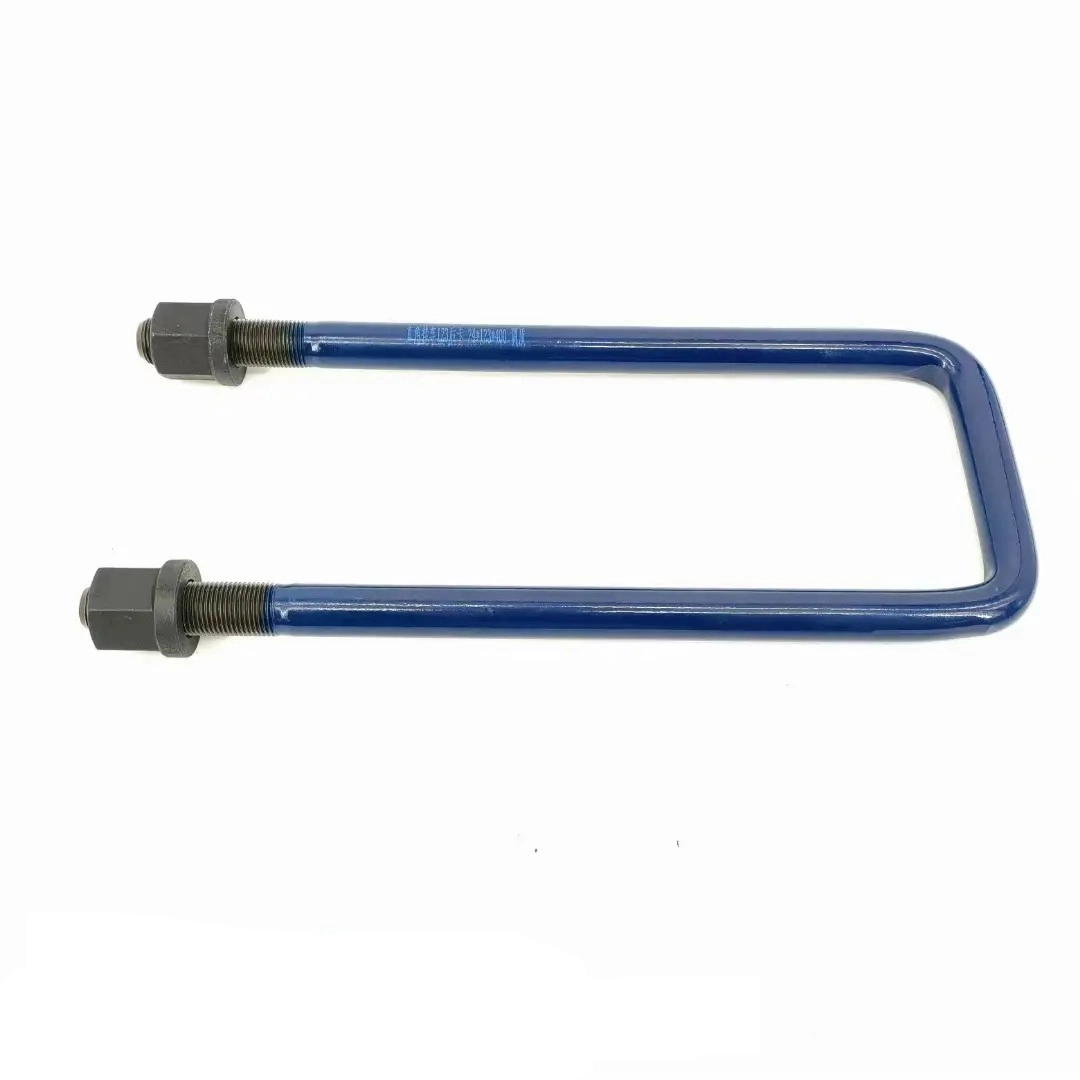
Leaf spring U bolts are used to clamp the leaf spring pack securely to the axle. They ensure that vertical loads, braking forces, acceleration forces, and road induced vibrations are properly transferred between the axle and suspension system. If the U bolts are undersized, poorly matched, or improperly installed, it can lead to loosening, misalignment, excessive wear, or even suspension failure.
1. Match the U Bolt to the Leaf Spring Width and Thickness
One of the most important selection criteria is leaf spring width. The U bolt must fit the spring pack precisely. Common leaf spring widths include 60 mm, 70 mm, 75 mm, and wider heavy-duty variants. The internal width of the U bolt should allow for a snug fit without forcing or excessive clearance. A correctly sized U bolt ensures even clamping pressure, reducing stress concentration and improving fatigue life. Wider leaf springs typically distribute load more effectively, which means the U bolts must also be sized to handle higher clamping forces.
The total thickness of the leaf spring pack determines the required U bolt length. Insufficient thread engagement can compromise clamping force and safety.Always ensure the U bolt dimensions match the spring pack precisely, allowing full nut engagement without bottoming out.
2. Choose Correct U Bolt Diameter and Strength
The diameter of the U bolt directly affects its load-bearing capacity.Light duty vehicles may use smaller diameters (e.g., 10–12 mm). Heavy trucks and trailers often require 16 mm, 18 mm, or even larger U-bolts.
In addition to diameter, we should pay more attention to strength grade. High strength carbon steel U bolts are commonly used for suspension applications because they can withstand both static loads and dynamic impacts from uneven road conditions.
3. Choose Correct Materials
U bolts are continuously exposed to vibration, moisture, dirt, and sometimes corrosive environments. Common material options include:
Carbon steel: Most widely used, cost-effective, and suitable for high-load applications.
Alloy steel: Offers higher strength for extreme duty conditions.
Stainless steel: Better corrosion resistance but generally lower strength than alloy steel, making it more suitable for lighter applications or corrosive environments.
Choosing the right material ensures a balance between strength, durability, and service life.For leaf spring applications, fatigue strength is just as important as tensile strength, especially for vehicles exposed to long term vibration.So normally use carbon steel to produce leaf spring u bolts.
4. Thread Length and Configuration
Proper thread length is essential for achieving correct preload:
Too short: insufficient clamping force and risk of loosening.
Too long: excess threads may interfere with nearby components or trap debris.
Rolled threads are preferred over cut threads because they provide better fatigue resistance—an important factor for suspension components subjected to constant vibration.
5. Ensure Proper Clamping Force and Installation
Even the best U bolt will fail if improperly installed. Always tighten U bolts to the manufacturer’s recommended torque.
Re-torque after initial use, as leaf springs may settle under load. Use hardened washers and quality nuts to maintain consistent clamping force.
Proper installation helps prevent stress concentration, reduces movement between components, and extends the service life of both the U-bolts and the leaf springs.
6. Fatigue Resistance and Long Term Performance
Leaf spring U bolts are exposed to millions of load cycles over their service life. Proper sizing, correct torque, and good surface quality help minimize fatigue cracking. A well-chosen U bolt improves:
Suspension stability
Ride comfort
Overall vehicle safety
Maintenance intervals
Replacing U bolts during leaf spring service is often recommended, as reused bolts may have already experienced plastic deformation or fatigue damage.
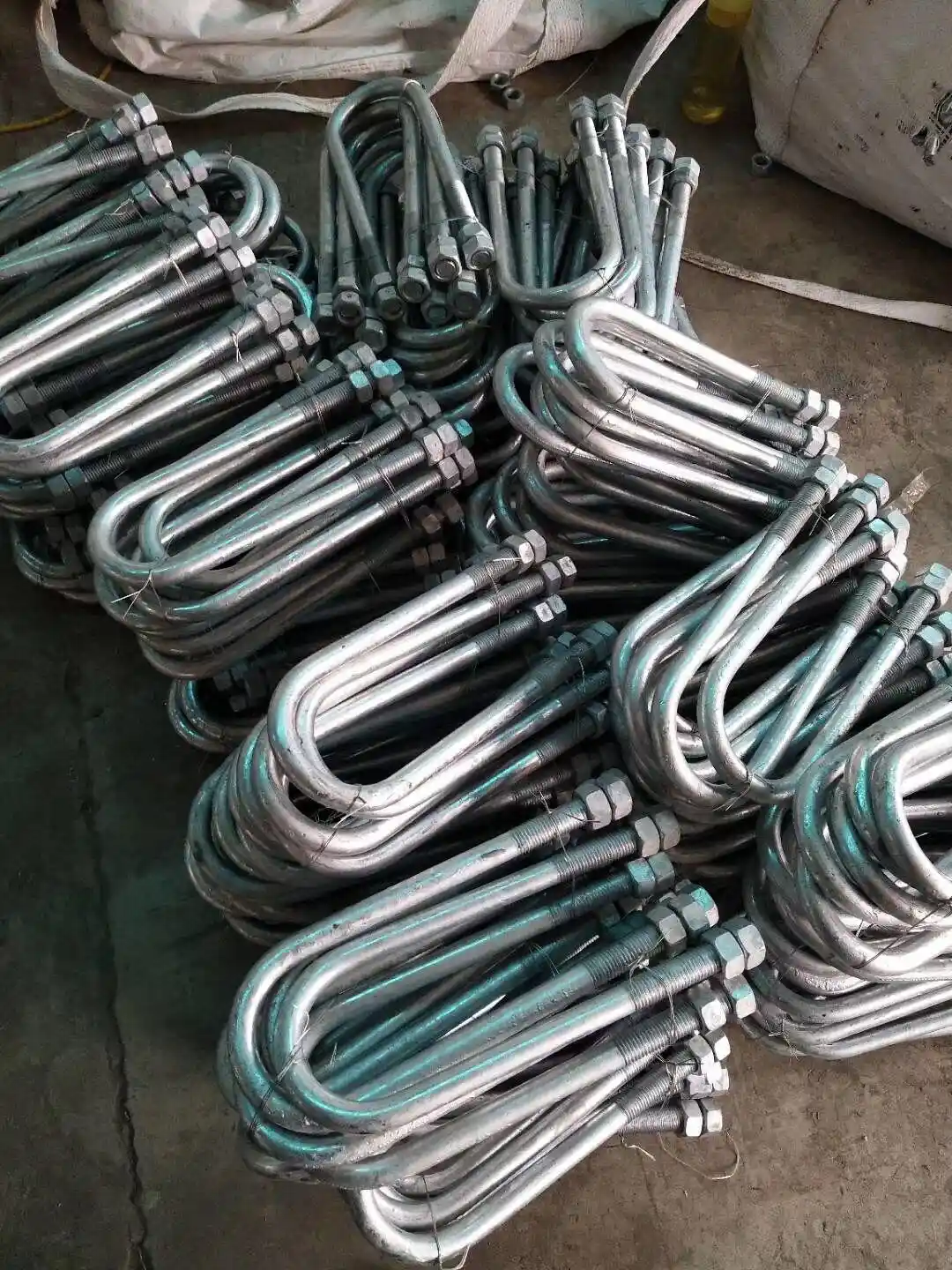
Choosing the right leaf spring U bolts is not just about matching dimensions.it requires a careful evaluation of leaf spring width, load requirements, material strength, axle type, and fatigue performance. Properly selected U bolts ensure reliable clamping, efficient load transfer, and long term suspension durability. Whether for light vehicles or heavy duty transport, investing in the correct U bolt specification is a small decision that delivers significant benefits in safety, performance, and service life.