Refractory anchors are special fasteners used to hold and support refractory materials inside high temperature equipment. They keep materials like castables, bricks, or ceramic fiber linings in place so the furnace, kiln, or boiler operates safely and efficiently. Refractory anchors are used in many industries, including power plants, cement kilns, petrochemical furnaces, and incinerators.Refractory anchors are very important parts of a furnace. They hold the lining to the wall. If the anchors fail, then the lining falls down. There are two main types of anchors. They are stainless steel anchors and ceramic anchors.
1. What Are Stainless Steel Refractory Anchors and Ceramic Anchors?
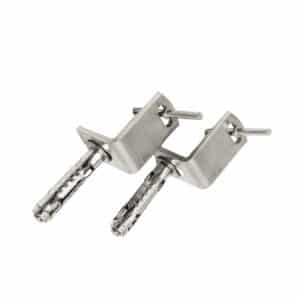
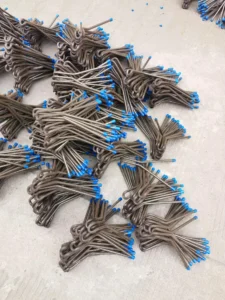
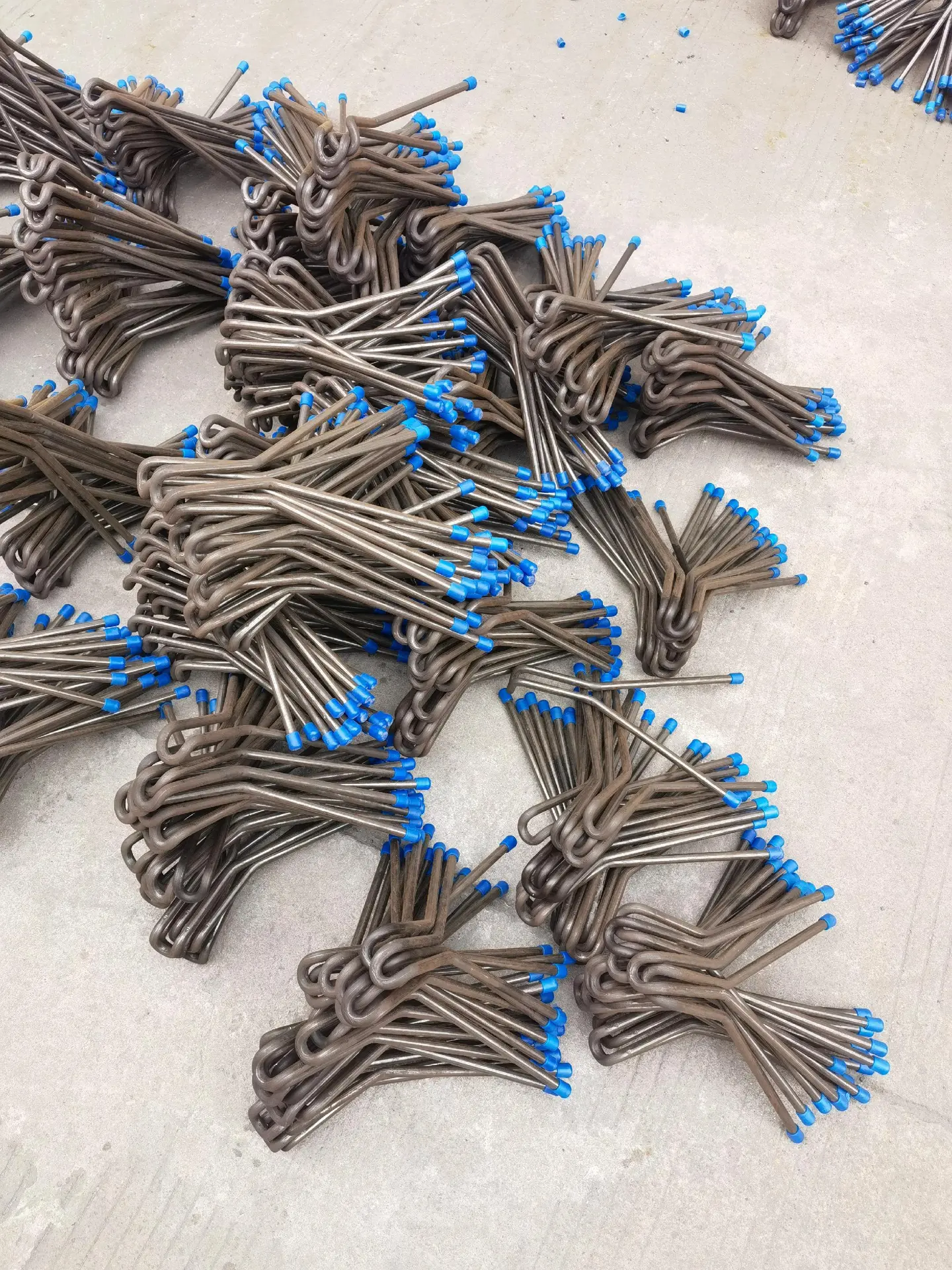
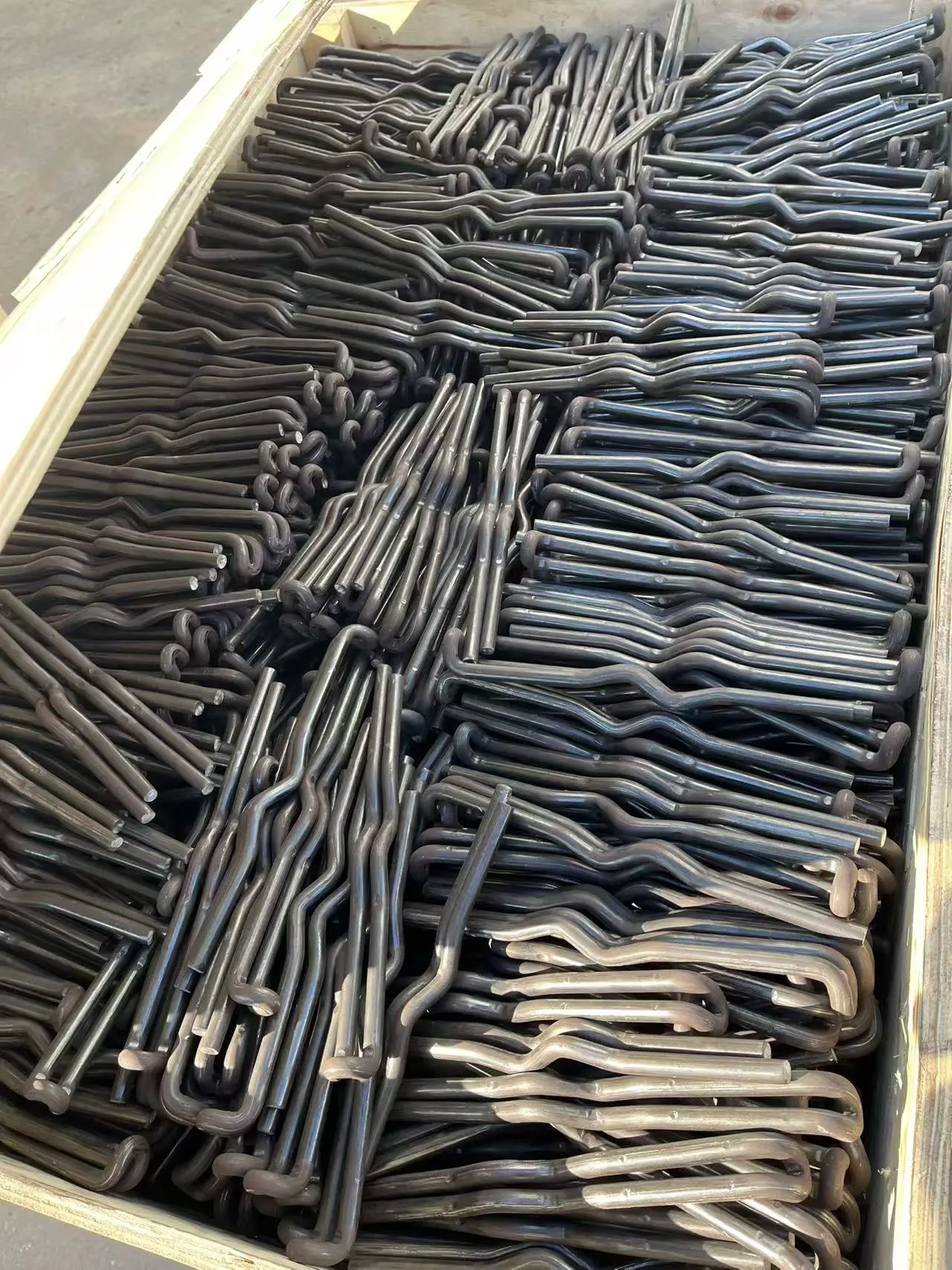
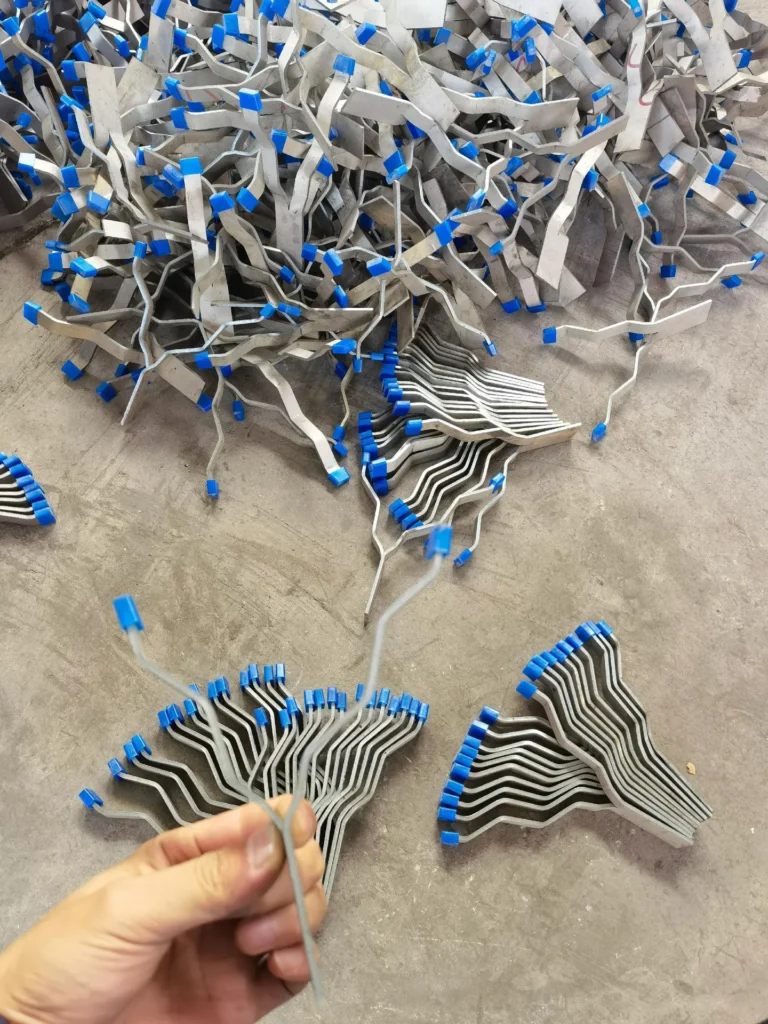
Stainless steel refractory anchors are metal fasteners used to hold refractory materials in place inside high temperature equipment. These anchors support materials like refractory castables, insulating bricks, and ceramic fiber modules. They keep the lining stable so it does not fall or crack during operation. They come in many shapes, like V-type, Y-type, U-type, Corrugated, and custom shapes. Each shape fits a different installation method.
Stainless steel anchors are made from heat resistant alloys. These alloys stay strong when the furnace is hot. They also resist corrosion from chemicals and gases inside the equipment. Factories use these anchors in petrochemical furnaces, power plant boilers, cement kilns, and incinerators.
Ceramic anchors are fasteners made from ceramic materials such as alumina or mullite. These materials can handle very high heat. They are often used with ceramic fiber modules because they match the thermal behavior of the fiber. Ceramic anchors do not deform, melt, or react when the temperature increases. They are also lightweight, so they place less stress on the lining.
Ceramic anchors work well in areas where metal anchors may fail. They are used in very hot zones like the roof of a furnace or the combustion chamber of burners.
2. How to Choose Between Stainless Steel and Ceramic Anchors?
You can choose stainless steel anchors when the furnace needs high mechanical strength. Stainless steel anchors support heavy refractory castables. They also keep their shape when the lining expands or contracts. The metal anchor holds the lining firmly so the wall does not move. You can use them in medium and high temperature zones.
You can choose ceramic anchors when the temperature becomes too high for metal to survive. Ceramic anchors do not melt or soften. They are a good match for ceramic fiber modules. Ceramic anchors also resist chemical attack from slags, fumes, and hot gases that may damage metal. They are useful in areas where the temperature stays above the working limits of stainless steel.
You can base your choice on these simple points:
- Use stainless steel anchors when you need strong support for dense refractory materials.
- Use ceramic anchors when the temperature is extremely high or when the lining uses ceramic fiber.
- Use ceramic anchors when the furnace atmosphere may attack metal.
- Use stainless steel anchors when the lining must handle heavy loads or strong vibration.
Stainless steel anchors also allow easier installation in thick castable linings. Ceramic anchors are better for lightweight fiber linings.
3. Material Grades for Specific Temperatures
Different anchor materials work at different temperature levels. You can match the material grade with the furnace temperature.
You must pick the right grade of material for the heat. Here is a simple guide.
Stainless Steel 304 This is a common metal. It is cheap and easy to find. You use it when the temperature is below 750°C (1382°F).
Stainless Steel 310 This metal has more chrome in it. It handles heat better than 304. You use it when the temperature is between 750°C and 1100°C (2012°F).
Inconel 601 This is a special alloy. It costs more money. But it is very strong. You use it for temperatures up to 1200°C (2192°F).
High Alumina Ceramic This is for the hottest places. Metal melts or breaks here. You use ceramic anchors when the temperature is above 1250°C and can go up to 1600°C (2912°F) or more.
4.Something Else You need to Consider when Choosing
Hermal Expansion
Metal expands more than ceramic when it gets hot. If the lining needs low expansion, ceramic anchors may work better. If the lining is thick and heavy, steel anchors handle the stress better.
Weight of the Lining
Dense castable linings need strong anchors. Stainless steel anchors offer better load-bearing ability. Ceramic anchors work better with lightweight materials like ceramic fiber.
Maintenance Needs
Stainless steel anchors are easier to install and replace. Ceramic anchors last longer in very hot zones, so they reduce maintenance work in these areas.
Chemical Environment
Some furnaces release chemicals, gases, or slags. These substances may attack metal. Ceramic anchors resist chemical attack. They keep their strength even when the environment becomes harsh.
Choosing the right refractory anchors is important for the safety and efficiency of high temperature equipment. Stainless steel anchors are ideal for strong support and medium to high temperature areas, while ceramic anchors are best for extremely high temperatures and chemically harsh environments. Selecting the correct material and grade ensures long lasting performance and reduces maintenance needs, helping your industrial projects run smoothly.