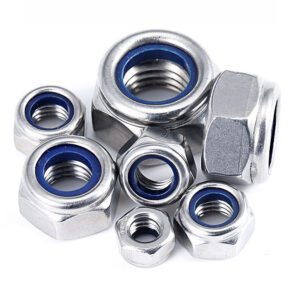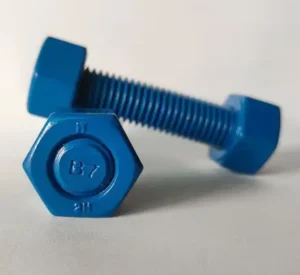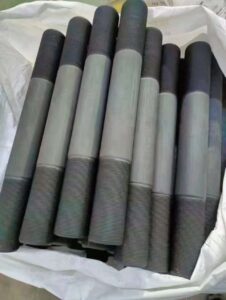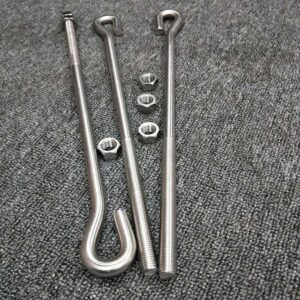
Stainless steel is a common choice for foundation bolts because of its durability and corrosion resistance, even though it’s more expensive than carbon steel bolts. I am Annie and I have been in the fasteners industry for over 15 years, I’ve seen how choosing the right material can make or break a construction project. Foundation bolts are critical components in ensuring structural stability, and among the options available,stainless steel foundation bolts stand out for their durability, corrosion resistance, and long term reliability. In this guide, I will walk you through everything you need to know about stainless steel foundation bolts, from material advantages to installation tips, helping you make informed decisions for your projects.

What Are Foundation Bolts?
Foundation bolts also known as anchor bolts, are fasteners used to secure structural elements to concrete foundations. They act as the main connection between a building’s foundation and its superstructure, ensuring that loads are properly transferred and that the structure remains safe and stable.
Depending on the project requirements, foundation bolts can be made from carbon steel, alloy steel, or stainless steel. While carbon steel bolts are cost effective, stainless steel bolts offer additional benefits that make them suitable for certain environments.
Why Choose Stainless Steel Foundation Bolts?
Stainless steel has become a popular choice for foundation bolts, especially in projects where durability and corrosion resistance are critical. Here’s why:
1. Corrosion Resistance
Unlike carbon steel, stainless steel contains chromium, which forms a passive layer on the surface, protecting it from rust and corrosion. This makes stainless steel foundation bolts suitable for:
Coastal or marine environments
Areas with high humidity
Industrial settings with exposure to chemicals
2. Strength and Durability
High grade stainless steel foundation bolts are capable of withstanding heavy loads and maintaining structural integrity over decades. While stainless steel may cost more upfront, its long term performance often outweighs the initial investment.
3. Low Maintenance
Structures with stainless steel foundation bolts require minimal maintenance. Unlike carbon steel bolts, which may need protective coatings or periodic replacements, stainless steel bolts maintain their appearance and strength over time.
4. Aesthetic Appeal
In visible applications, stainless steel foundation bolts offer a clean, polished look that enhances the overall aesthetics of a structure. For modern architectural projects, this is often a decisive factor.
Stainless Steel vs. Carbon Steel Foundation Bolts
We all know that stainless steel bolts are more expensive than carbon steel. However, the price difference is often justified depending on project needs. Here’s a comparison:
| Feature | Stainless Steel | Carbon Steel |
|---|---|---|
| Corrosion Resistance | Excellent | Poor (requires coating) |
| Strength | High | High (depends on grade) |
| Maintenance | Low | Medium to High |
| Cost | High | Low |
| Lifespan | Long | Moderate |
In environments prone to moisture, chemicals, or salt exposure, stainless steel is almost always the better choice. For dry, controlled environments, carbon steel bolts can be cost effective without compromising safety.
Grades of Stainless Steel for Foundation Bolts
When selecting stainless steel foundation bolts, it’s important to understand the different grades:
SUS304 / A2 (1.4301): Most commonly used; excellent corrosion resistance; suitable for general construction projects.
SUS316 / A4 (1.4401): Contains molybdenum for extra corrosion resistance; ideal for marine and chemical environments.
High Strength Stainless Steel: Certain grades are heat treated for enhanced tensile strength, suitable for heavy industrial structures.
Choosing the right grade ensures both safety and longevity of your construction project.

Installation Tips for Stainless Steel Foundation Bolts
Even the best bolts can underperform if installed incorrectly. Following proper installation practices ensures that your stainless steel foundation bolts perform as intended for decades. Here are some key tips:
1.Follow Proper Torque Specifications – Over tightening can damage the bolt, while under-tightening reduces structural stability.
2.Use Compatible Washers and Nuts – Stainless steel bolts should ideally be paired with stainless steel nuts and washers to avoid galvanic corrosion.
3.Check Alignment Before Pouring Concrete – Ensure that all bolts are positioned accurately in the formwork.
4.Avoid Cross Threading – Carefully start threading to prevent damaging the bolt threads.
Common Applications of Stainless Steel Foundation Bolts
Stainless steel foundation bolts are widely used in industries where reliability and corrosion resistance are critical:
Industrial Buildings and Factories Heavy machinery requires strong, corrosion-resistant anchors.
Bridges and Infrastructure Exposure to weather and water makes stainless steel the preferred choice.
Marine and Coastal Projects Saltwater environments demand the corrosion resistance of stainless steel.
Architectural Structures Polished stainless steel bolts are often used in high end, visible installations.
Conclusion
While stainless steel foundation bolts come at a higher cost compared to carbon steel, their durability, corrosion resistance, and low maintenance make them a smart investment for long term structural integrity. Selecting the right grade, understanding proper installation, and choosing bolts that match your project environment are key steps to ensuring safety and reliability. As someone with over 15 years of experience in the fasteners industry, I can confidently say that stainless steel foundation bolts are an excellent choice for projects where performance and longevity cannot be compromised.