In modern industrial equipment, efficiency, safety, and reliability are no longer optional.They are design requirements. One small but critical component that supports all three is the captive panel screw. Though often overlooked, captive panel screws play a vital role in improving maintenance efficiency, preventing fastener loss, and ensuring long term equipment performance.
What Are Captive Panel Screws?
Captive panel screws are fasteners designed to remain attached to a panel or enclosure even when loosened. Unlike standard screws that can fall out completely, captive screws are retained within the panel by a shoulder, groove, spring, or retaining ring. This “non-removable” feature makes them suitable for applications where frequent access is required and where loose hardware could cause safety hazards or equipment damage.
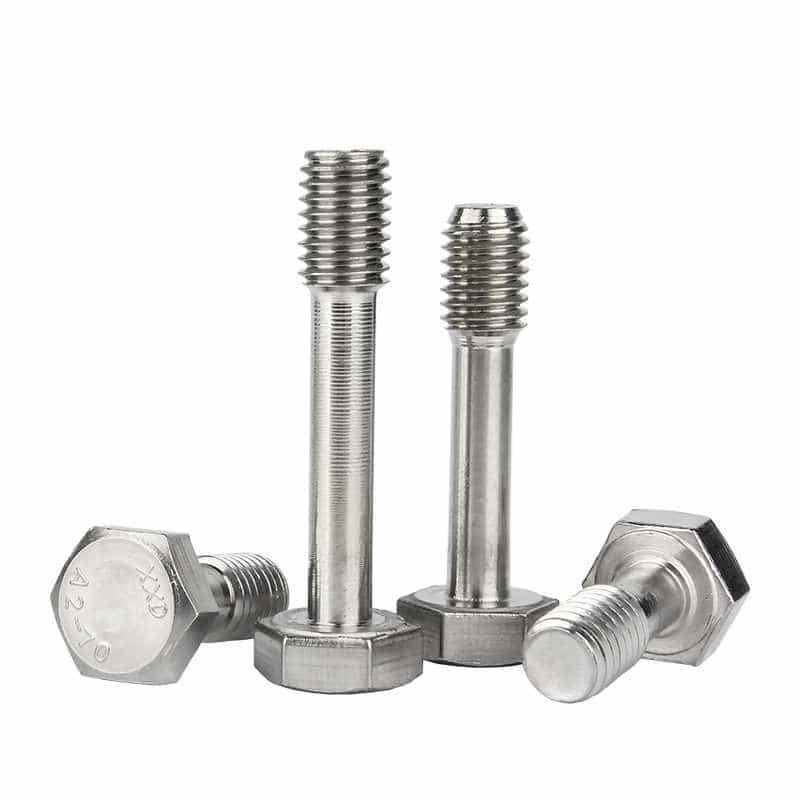
Advantages of Captive Panel Screws
1. Prevent Fastener Loss
In industrial environments, dropped or lost screws can cause serious problems, including equipment damage, electrical short circuits, unexpected production downtime, and potential safety hazards. Captive panel screws effectively eliminate these risks by remaining permanently attached to the panel, even when loosened, ensuring that fasteners cannot fall into sensitive equipment or be misplaced during maintenance.
2. Faster Maintenance and Assembly
Maintenance technicians don’t need to worry about collecting or replacing loose screws. Panels can be opened and closed quickly, improving service efficiency—especially in high-frequency access areas.
3. Improved Safety and Compliance
Many industries such as electronics, telecom, medical devices, and aerospace require hardware that meets strict safety and assembly standards. Captive screws help manufacturers meet these requirements by reducing foreign object debris (FOD).
4. Professional and Clean Design
Captive screws provide a cleaner, more professional appearance, especially for visible panels on enclosures, racks, and cabinets.
Where Captive Screws Used?
Captive panel screws are widely used across a variety of industries and applications where both safety and reliability are critical. In electrical enclosures and control cabinets, they ensure panels remain securely attached while allowing technicians to perform routine inspections or maintenance without the risk of losing screws inside sensitive equipment.
In server racks and data center equipment, captive screws facilitate frequent access for upgrades or troubleshooting, helping prevent downtime and protecting valuable hardware.
For industrial machinery panels, these screws provide long-term durability under vibration and mechanical stress, maintaining structural integrity while enabling easy servicing.
In medical and laboratory equipment, captive screws are essential to ensure that critical devices remain safe, sterile, and fully operational, while still allowing repeated access for cleaning, calibration, or repairs.
Additionally, in aerospace and transportation systems, where both safety and precision are paramount, captive panel screws help prevent fastener loss during maintenance, reducing the risk of component failure and enhancing overall system reliability.
Across all these applications, the ability to provide secure, reusable, and maintenance-friendly fastening makes captive panel screws an indispensable component.
Why Choose Fastenmetal Captive Panel Screws?
At Fastenmetal, we understand that standard fasteners don’t always meet real world industrial demands. That’s why we specialize in custom and high quality captive panel screw solutions designed to match your exact application needs.
1. Custom Manufacturing Capabilities
Fastenmetal provides a wide range of options for custom captive screws to meet different application needs. We offer custom diameters, lengths, and thread types, compatible with both metric and imperial standards, ensuring flexibility for different panel and equipment designs. In addition, our screws feature special shoulder and groove designs and are manufactured with tight dimensional tolerances, guaranteeing precise fit and reliable performance. This attention to detail ensures that every captive panel screw from Fastenmetal achieves perfect compatibility with your panels and assemblies, enhancing both safety and maintenance efficiency.
2. Wide Material Selection
We manufacture captive panel screws using a wide range of materials to meet the diverse demands of industrial, electrical, and outdoor applications:
Stainless Steel (A2 / A4)
Ideal for environments requiring excellent corrosion resistance. A2 stainless steel is commonly used for general industrial and indoor applications, while A4 stainless steel offers superior resistance to chemicals, salt spray, and marine environments, making it suitable for coastal, offshore, and chemical processing industries.
Carbon Steel
A cost effective option with good mechanical strength, often used in controlled indoor environments. Carbon steel captive screws can be supplied with various finishes such as zinc plating or black oxide to enhance corrosion resistance and appearance.
Alloy Steel
Designed for high strength and high load applications, alloy steel captive panel screws provide excellent tensile strength and durability. They are well suited for heavy duty equipment, industrial machinery, and applications subject to vibration or repeated servicing.
Brass and Other Specialty Materials
Brass captive screws offer good corrosion resistance, electrical conductivity, and a non-magnetic solution, making them ideal for electrical and electronic equipment. We also supply specialty materials upon request to meet specific performance, environmental, or regulatory requirements.
Material selection can be fully customized based on factors such as corrosion resistance, mechanical strength, electrical performance, operating temperature, and environmental exposure, ensuring each captive panel screw is precisely matched to its intended application.
3. Captive Thumb Screw Options
For tool-free access, Fastenmetal also supplies captive thumb screws, ideal for applications requiring frequent opening and closing. These are widely used in electronics and control panels where speed and convenience matter.

5. Quality Control and Consistency
Every Fastenmetal captive panel screw is manufactured under strict quality control standards to guarantee superior performance. This ensures consistent dimensions, reliable retention, and long term durability, so that each screw maintains its function even under repeated use and challenging conditions. Such high reliability helps minimize installation issues and reduce after-sales problems, providing peace of mind for both manufacturers and maintenance teams.
Conclusion
Captive panel screws may be small components, but they deliver big benefits in safety, efficiency, and equipment reliability. As industrial systems become more complex and maintenance cycles more frequent, the demand for reliable captive fastening solutions continues to grow.
With Fastenmetal’s custom manufacturing capabilities, material expertise, and consistent quality, you can be confident that your captive panel screws are engineered to perform,every time the panel is opened and closed.
If you’re looking for custom captive panel screws or captive thumb screws tailored to your project, Fastenmetal is ready to support your requirements with precision and experience.