If you’ve ever shopped for double end bolts, you might have noticed something make you confused, bolts that are the same length can have very different prices. How different can a bolt of the same size really be? The truth is that there are several secrets that can affect the cost, and understanding them is very important for every purchaser in construction, manufacturing, or industrial procurement.
A Class vs. B Class Double End Bolts
One of the main reasons for price differences is the classification of the bolt. Double-end bolts are generally divided into A Class and B Class:
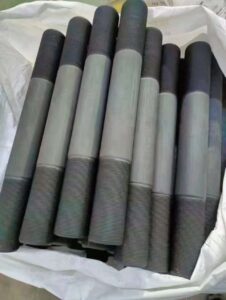
A Class bolts have a thicker shank (the smooth part of the bolt between the threaded ends) than the thread diameter. For instance, an M30 A Class bolt has a shank thicker than its thread diameter of 29.6 mm. This extra material adds strength and durability, which naturally increases the price.
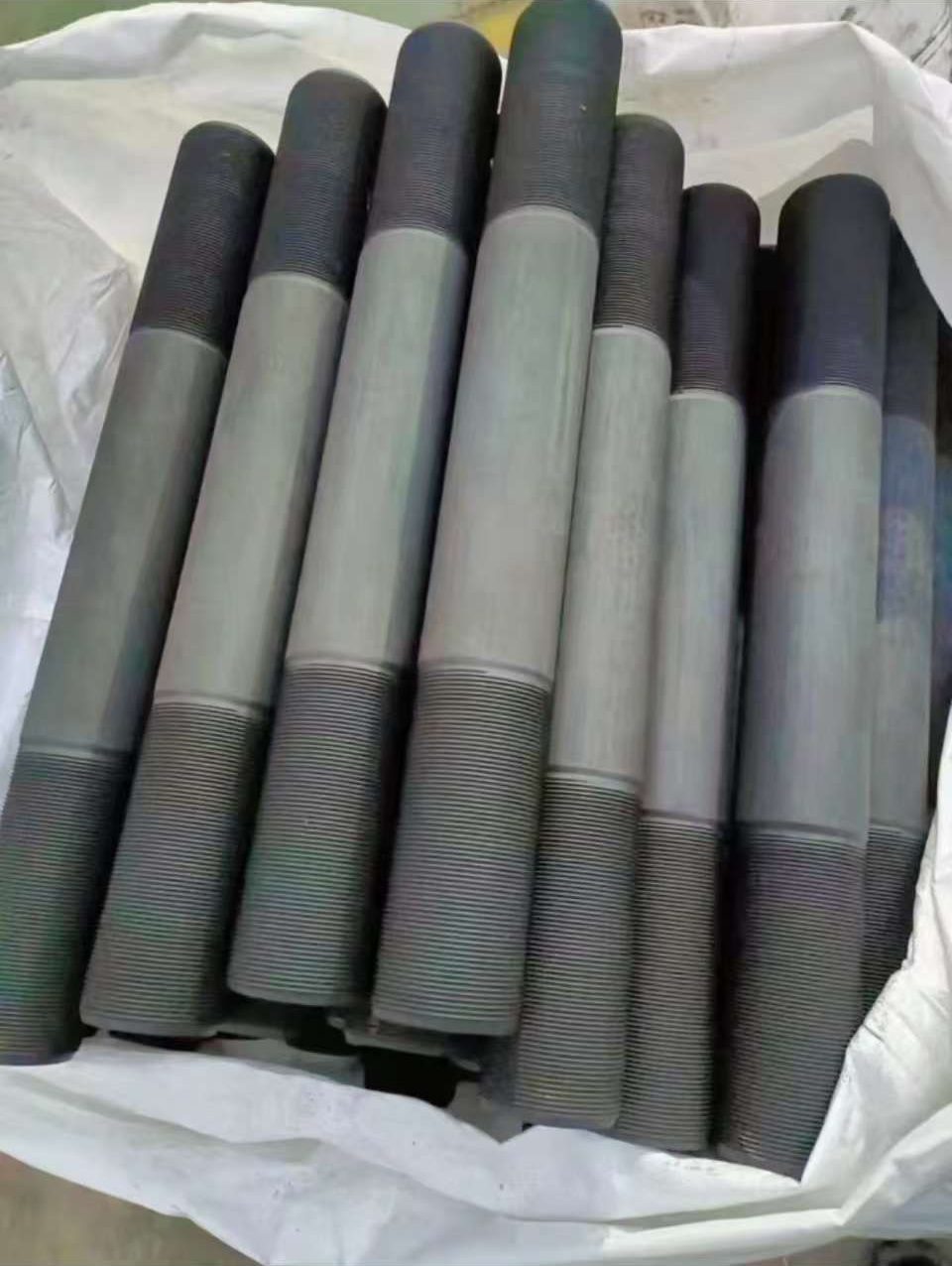
B Class bolts, on the other hand, have a shank that is thinner than the thread diameter. Many inexpensive bolts on the market fall into this category. Although they are technically B Class, the shank may be unusually thin, which reduces material costs and lowers the price.
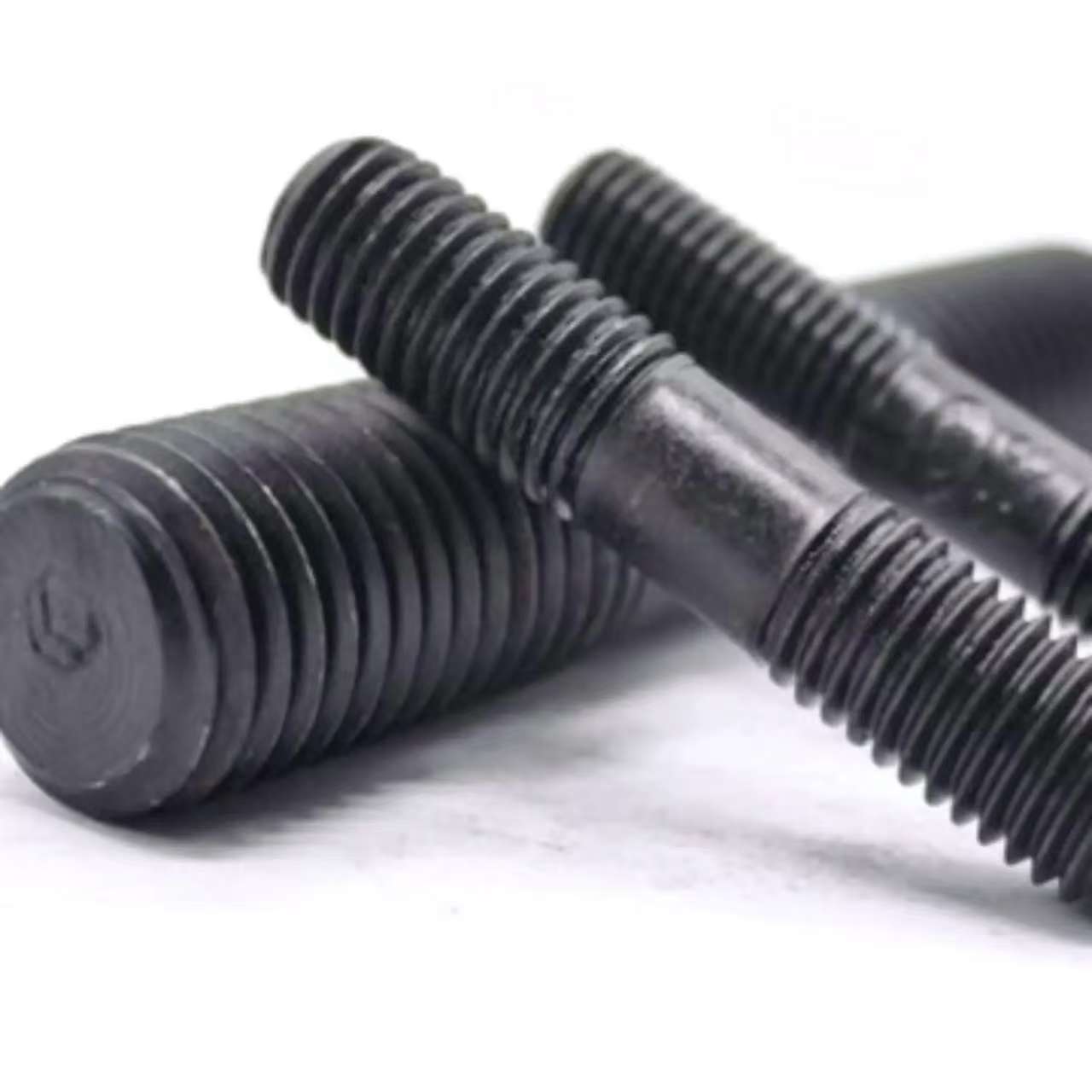
In short, a thinner shank saves money but also affects the strength and performance of the bolt. That’s why you’ll often see a significant price gap between A Class and cheaper B Class bolts, even when they’re the same length.
Manufacturing Method Matters
Another reason effect price is how the bolt is manufactured, especially for 8.8 grade double end bolts. The method used to form the bolt head can make a huge difference in cost:
Cutting machines produce a clean, uniform bolt head. This method is precise and ensures consistent quality, but it is more expensive. Pressing machines simply press the head into shape. The head may be slightly flattened or uneven. While functional, this method is cheaper and faster.
For large orders, the difference of one ton stud bolts in production method alone can result in a price difference of $200 or more.
How to Make Smart Purchasing Decisions
When choosing double end bolts, we should not always keep eyes on price,we also need to consider stud bolts’s specification. Below I conclude some practical tips for purchasers:
1.Check the shank diameter: Don’t just look at the thread size. A thicker shank provides more strength.
2.Understand the class and grade: A-Class and B-Class bolts are not interchangeable. Make sure you know what your project requires.
3.Ask about manufacturing methods: Bolt heads made by cutting tend to be stronger and more uniform than those pressed into shape.
4.Don’t be fooled by low prices: Extremely cheap bolts may cut corners on materials or production quality.
Why Knowledge Pays Off
Understanding these differences allows you to make informed decisions. Buying cheap bolts without considering shank thickness, class, or manufacturing method may save money upfront but could compromise safety and long performance. On the other hand, investing in properly manufactured bolts ensures reliability and can prevent costly failures or downtime.
Conclusion
Stud bolts of the same length are not created equal. Factors such as shank thickness, classification, and manufacturing methods all influence price and performance. By paying attention to these details, buyers can select bolts that are both safe and cost effective. In industries where safety and durability matter, it’s nessesory to know exactly what you’re buying.